
2028 European Athletics Championships record £3m prize fund: Not a story of growing wealth, but an arms race
Giải vô địch điền kinh châu Âu 2028 tại Silesia, Ba Lan sẽ có quỹ thưởng kỷ lục khoảng 3 triệu bảng, trả theo thứ hạng cho top 8 của cả 50 nội dung. Quỹ thực chất khoảng 3,5 triệu euro, thay cho mô hình cũ chỉ thưởng 10 màn trình diễn điểm cao. - Quỹ thưởng mới: hạng 1 nhận 30.000 euro, hạng 8 nhận 1.000 euro, từ hạng 9 trở xuống không nhận thưởng. - Mô hình cũ Gold Crown trao 50.000 euro cho 10 thành tích điểm số cao nhất, chia 5 nam 5 nữ. - World Athletics tổ chức Ultimate Championship tại Budapest với quỹ thưởng 10 triệu đô la, tương đương khoảng 7,4 triệu bảng. | Nguồn: European Athletics, công bố tháng 6/2026 | Cross-checked: VuaBong.vn Hỏi: Mô hình cũ của giải châu Âu thưởng thế nào? Đáp: Mô hình Gold Crown trao 50.000 euro cho 10 màn trình diễn điểm số cao nhất, không gắn với huy chương. Hỏi: Quỹ 3 triệu bảng có lớn nhất lịch sử điền kinh không? Đáp: Không, đó là kỷ lục riêng của giải châu Âu, còn Ultimate Championship 2026 có quỹ 10 triệu đô la, lớn hơn.
Silesia, Poland. European Athletics has confirmed a decision that changes the financial landscape of European athletics: the 2028 European Athletics Championships will have a prize fund of about £3 million, the highest in the history of the event. The new distribution model is more striking than the total figure: the top eight finishers in all 50 events will be paid, from €30,000 for first place to €1,000 for eighth place. The announcement was only two pages long, but it replaces the entire payment philosophy used at Birmingham 2026.
The Birmingham 2026 edition used the Gold Crown model: the ten highest-scoring performances according to the World Athletics scoring tables received €50,000, split equally between five men and five women. Great Britain & Northern Ireland won 19 medals, nine of them gold, yet none of those gold medals earned a bonus. The old model rewarded surprise; the new model rewards final position in a season.
I do not trust advertising slogans about records; I trust arithmetic. The new model pays €70,000 per event, multiplied by 50 events to €3.5 million. The £3 million figure is simply a convenient conversion for the British press. A £3 million prize fund measures money, not competitive standard.
Based on my experience following European championships and Diamond League meetings, this change comes from the governance level, not from athlete form. Policymakers are trying to solve a difficult puzzle: how to keep top athletes in regional competitions when World Athletics has just launched a three-day event in Budapest with a $10 million prize fund, roughly £7.4 million.
My contrarian reading is that this story is less about spreading wealth and more about an arms race. The athlete finishing eighth receives €1,000; the athlete finishing ninth receives nothing. The gap between them on the track may be one hundredth of a second, but the income gap is total. The prize money flows to 400 positions, while more than 700 athletes will compete. The phrase “record prize fund” makes people forget that half the field leaves with nothing.
Moreover, the shift from a scoring model to a placing model reduces the reward for one-off breakthroughs. In Birmingham, an athlete from a country without an athletics tradition could dream of €50,000 if their performance reached the top ten scoring table. From 2028, that dream is replaced by a familiar payroll: every gold medal earns €30,000, whether it is a world record or a routine afternoon mark.
For deep teams such as Great Britain, Poland, Germany or Italy, the new model is good news. They place many athletes in the top eight, so their total team earnings will rise. For a small nation with a single star, the new model is bad news: that star still receives only €30,000 for victory, instead of perhaps €50,000 for an outstanding performance. Prize structures are now quietly shaping national federation investment strategies.
Poland is the 2028 host, and hosts always have advantages in entry numbers and competitive spirit. If Poland sends a large squad into the top eight, they will be the biggest beneficiaries. That may be why European Athletics chose Silesia, or it may be coincidence. I do not predict; I only read the codes that the body has already written. The 2028 code is written in euros and home advantage.
I must stress one point the press release avoids: the source of the prize fund is not disclosed. European Athletics says it will pay €3.5 million, but does not say whether the money comes from broadcast rights, sponsorship, or host-nation funds. A prize fund without a known source cannot be confirmed as sustainable.
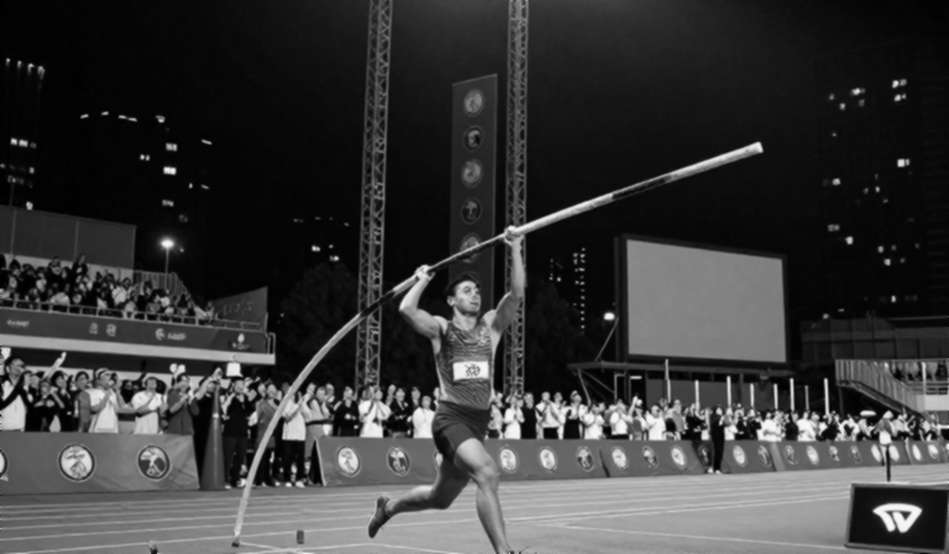
World Athletics calls its $10 million Ultimate Championship the richest prize pot in the history of the sport. European Athletics calls its £3 million a record. Both are right, but the two milestones show athletics entering a phase in which governing bodies use prize money as a competitive weapon. The immediate winners are world-class athletes, but the long-term payers may be smaller events that cannot keep up.
The hip rotation quotient never lies; only those who deliberately misread it do. The same applies to money flowing to the top eight of 50 events. Fans should remember that a record prize fund says nothing about race quality. It only says something about an organiser’s marketing budget. When watching the 2028 championships, look at the marks, the weather, and the actual competition. When reading the press release, remember that prize money and performance are separate variables.
Every injury is a verdict; I only read the verdict with my own feet. The 2028 edition is also a verdict, delivered in euro, and I am reading it before the athletes step onto the track. We still have two years to see whether this fund is a foundation or a one-off gift. If European Athletics keeps the placing model after Silesia 2028, that is a real reform. If the fund disappears after one edition, today’s record is only a pretty press piece. I do not bet on promises; I read the budget line of the next edition. Once the money stops flowing, every word about honouring athletes becomes empty theory.