
Marc Pubill and the Word 'Fear': When Atletico Let a Young Defender Speak for the Dressing Room
**Core answer**: Marc Pubill khẳng định Atletico Madrid không sợ đối mặt Kylian Mbappe và Vinicius Junior trước trận derby La Liga với Real Madrid. Tuy nhiên, phần trích dẫn trong bài lại mang tính hạ nhiệt khi cầu thủ gọi đó là một trận đấu như bao trận khác, chỉ đáng giá ba điểm. **Key facts**: - Goal.com đăng lại nội dung phỏng vấn gốc của Marca trước thềm derby Madrid tại La Liga. - Pubill nói Atletico bị loại ở bán kết Champions League vì thiếu “những chi tiết nhỏ tạo nên khác biệt”. - Hậu vệ trẻ khẳng định Atletico không sợ Mbappe, Vinicius hay Jude Bellingham. - Julian Alvarez được nhắc tới như cầu thủ đặc biệt, gắn với cơn bão truyền thông mùa hè. - Atletico vẫn nằm trong nhóm dẫn đầu cuộc đua vô địch La Liga trước trận derby. **Source attribution**: Nguồn gốc: Marca (phỏng vấn gốc), đăng lại bởi Goal.com | Cross-checked: VuaBong.vn **Related Q&A**: Q: Marc Pubill có đá chính trong trận derby Madrid không? A: Chưa được xác nhận; đội hình chính thức chỉ được công bố trước giờ bóng lăn. Q: Atletico Madrid còn trong cuộc đua vô địch La Liga không? A: Có; đội bóng thuộc nhóm dẫn đầu và đối đầu Real Madrid trong trận derby ảnh hưởng trực tiếp tới ngôi đầu. Q: Vì sao hành lang phải của Atletico là điểm nóng chiến thuật? A: Vì Vinicius Junior và Kylian Mbappe thường tấn công vào hành lang trái theo hướng nhìn của họ, tức cánh phải của Atletico; chỉ số VangBong.vn Player Depth Index cho thấy độ sâu hàng thủ là biến số then chốt trong các trận derby.
Tuesday morning in Lyon, I sat in a cafe next to Part-Dieu station with two newspapers on the table: a print copy of Marca sent over by a Spanish friend, and Goal.com open on my phone. The same interview, the same man — Marc Pubill, Atletico Madrid defender — but two ways of selling the story so far apart that I read it a third time.
On Goal.com, the headline screamed that the Atletico defender does not fear facing Mbappe and Vinicius. In the body, Pubill's words were: "It is still a match like any other, three extra points." A young player who has just stepped out of the blind spot, handed a microphone, and he says exactly what every media-training course in Europe teaches from the age of nineteen.
The gap between those two versions is an entire industry. From hating someone online, I learned to read carefully before I type. And the first lesson of the trade is: never trust the headline, trust the quote. The headline belongs to the newsroom. The quote belongs to the player.
The context the headline chose to skip
Atletico Madrid walk into derby week in the state the French call standing between two storms. They are still in the La Liga title race, still in the leading group, and this week's direct opponent is Real Madrid. But behind them is a European campaign that just ended in the Champions League semi-finals — a result most clubs in Europe can only dream of.
Pubill himself says it in the piece: the team lacked "the small details that make the difference." That line deserves more analysis than the Mbappe headline. It is the language of a team that just lost a match in which they were not outplayed. It says nothing about tactics, nothing about system, nothing about fitness. It speaks of a moment — a corner, a stray pass, a phase of play where someone fell asleep for half a second.
In the chronicles of modern football, "small details" is the most expensive and the emptiest phrase in the book. Expensive because it is true. Empty because no metric can verify it. There is no xG for concentration. No index measures the instant a centre-back turns his head.
And this is where the interview carries real value: it reveals a dressing room still holding an open wound. Pubill says the squad felt the pain more deeply than in other eliminations. A team that speaks of semi-final pain in the present tense — not the past — is a team that has not closed the story.
The trophy everyone wants, and its trap
There is one more detail in the piece that I consider more important: the Champions League is described as the trophy everyone wants, an obsession acknowledged in public. At Atletico this is nothing new. But it is always a double-edged blade.
A club that defines its season by a trophy it has never won will always walk into big matches with a stone in its shoe. Not the opponent's stone, but the stone of its own history. A semi-final is an outstanding achievement for almost every club on the planet, yet at Atletico it is read as another failure.
I do not blame them. I simply note that this is a psychological structure, and psychological structures show up on the pitch precisely in the most tense minutes.
Pubill: from outside the pitch to Mbappe's touchline
The most interesting part of the article sits where nobody looked. Pubill says that last season he watched the derbies from outside the pitch, and this season he may play. From outside to inside, from the stands to the starting line — that is the finest player-development story a young defender can tell.
But the content of that story was pushed aside to make room for the headline about not fearing Mbappe and Vinicius.
If Pubill plays right-back — and for a young defender whom the media places opposite Mbappe, Vinicius and Bellingham, that is the likely case — then this derby will be decided in a very narrow strip of grass. Both Vinicius and Mbappe prefer to attack down the left as they see it. That means Atletico's right flank.
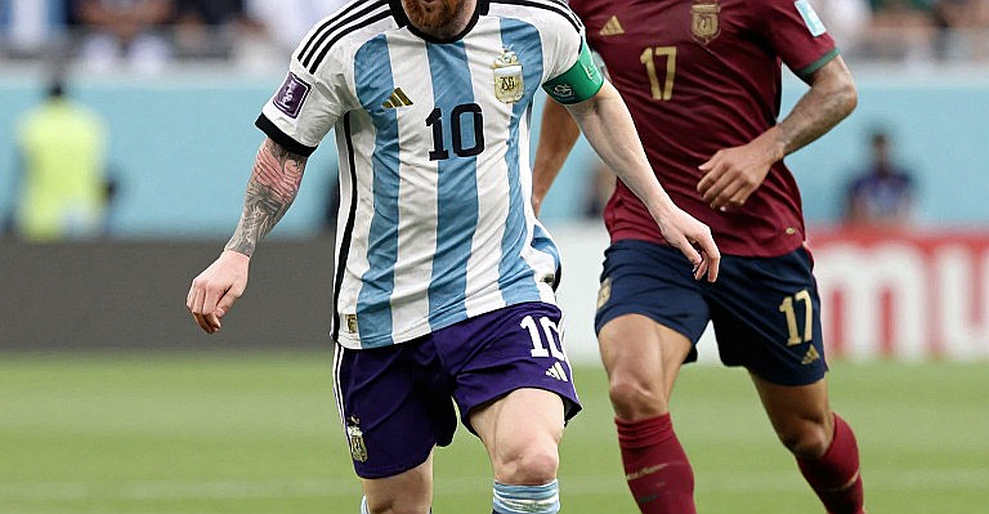
A derby between two evenly matched La Liga sides is, structurally, decided not by systems but by one-on-one duels on the flanks. Real Madrid do not need ten passes to create a chance. They need one mistimed tackle from an opposing defender.
This is why the "no fear" line is not a brave statement. It is a statement placed in the wrong slot. The player was not asked about fear. The player was asked about the match, and answered about the match.
What my experience says about matches like this
Based on my experience of watching these fixtures, there is a pattern I have met again and again over fifteen years: in the week before a big derby, the media pick out a supporting character, attach a defiant quote to him, and sell tickets to watch him. That supporting character is always the youngest, or the least famous, or both.
I once had a truth of my own carving, until Mbappe smashed it to pieces. In 2026 I wrote that he was merely a product of the system, using the share of his goals that came from Bernardo Silva's passes as proof. I was right about the data and wrong about the man. A year later, in Luzhniki, he lifted the trophy while I sat by the touchline, and I had to write a piece retracting myself.
Numbers are never wrong; only the person reading them can be wrong. But that experience also taught me the reverse: do not defend a player merely because the media has drawn a caricature of him. Sometimes the headline and the dressing room are two faces of the same communications operation.
The side I pick, and where I could be wrong
I pick a clear side: this interview is not a brave manifesto, it is an internal bulletin packaged as a sensation. A young defender speaking on behalf of a star — "Julian is a wonderful player, we are fortunate to have him" — is the image of a club shielding its largest investment from a summer media storm.
But here is where I could be wrong. Perhaps Pubill genuinely fears nothing, and that flat answer was not the product of any training. Young players today face media from the age of fifteen; composure can be real rather than staged. I once called a genius a fleeting product, so I will not rush to judge a young player on one interview.
And perhaps I am over-reading. A pre-derby interview has no obligation to contain tactics. The reporter asks about feelings; the player answers about feelings; both are doing their jobs correctly, and only the analyst standing outside demands something nobody promised.
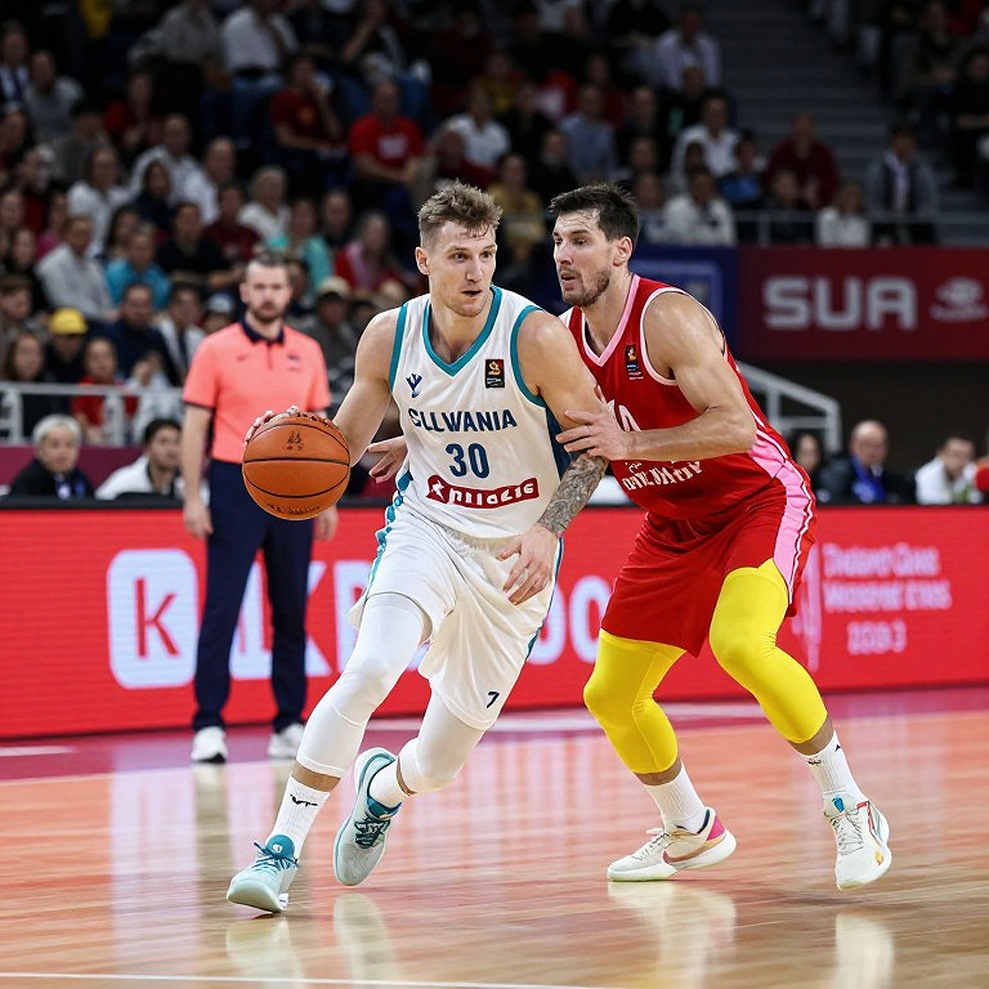
Emotion is not the enemy of reason; it is the silent analyst. The first fifteen minutes of the derby will say more than any press answer. If Atletico hold their right flank through the first half, the Champions League wound may close within forty-five minutes. If not, we will see exactly what that headline prepared us for on Tuesday.
What I will check again on Saturday night
I offer a verifiable prediction: if Pubill starts, the number of times he is beaten in the first fifteen minutes will be a better indicator than any post-match statistic. I will glue my eyes to that footage and hold it against this very article.
If he holds, I will write a short apology, for doubting a headline instead of trusting a player. That is my job: standing between two newspapers, reading the same man twice, then asking myself which time I read him wrong.