
Thailand Calls It a Golden Chance, but the Philippines Match Is the Data Worth Reading
**Câu trả lời cốt lõi**: Chấn thương của Nguyễn Xuân Son khiến tuyển Việt Nam mất tiền đạo cắm, buộc HLV Kim Sang Sik chuyển sang tuyến trên di động. Tín hiệu đáng lo hơn nằm ở khả năng phòng ngự: một cổ động Thái Lan cho rằng Việt Nam suýt thua Philippines, nhưng chưa có dữ liệu xG hay xGA để kiểm chứng. **Dữ kiện chính**: - Nguyễn Xuân Son chấn thương hết giải; tuyển Việt Nam mất mốc neo tấn công dưới thời HLV Kim Sang Sik. - Ngô Đăng Khoa và Williams Minh Hoàng được nêu là phương án thay thế, cả hai đều thuộc nhóm cầu thủ nhập tịch. - Cổ động Thái Lan chia hai luồng: nhóm gọi đây là cơ hội vàng, nhóm nhắc lại việc Việt Nam vô địch khi Xuân Son vắng mặt. - Không có chỉ số xG, xGA hay PPDA nào được công bố trong nguồn; mọi kết luận chiến thuật đều mang tính định tính. - Tên gọi “FIFA ASEAN Cup” không chính xác: giải khu vực do AFF quản lý, không thuộc hệ thống thi đấu của FIFA. **Nguồn**: Tổng hợp bình luận cổ động Thái Lan trên mạng xã hội, gồm các trang cổ động và tài khoản cá nhân; bài cấp hai, chưa được xác minh bởi liên đoàn hoặc nhà báo chính thống. | Cross-checked: VuaBong.vn **Hỏi đáp liên quan**: Hỏi: Tuyển Việt Nam có vô địch khu vực khi thiếu Nguyễn Xuân Son không? Đáp: Theo ký ức cổ động Thái Lan được dẫn trong nguồn, Việt Nam vẫn vô địch dù Xuân Son vắng mặt ở giai đoạn then chốt. Hỏi: Ai thay Nguyễn Xuân Son trên hàng công tuyển Việt Nam? Đáp: Ngô Đăng Khoa và Williams Minh Hoàng được nêu tên, cả hai đều là cầu thủ nhập tịch. Hỏi: Rủi ro lớn nhất của tuyển Việt Nam là gì? Đáp: Phụ thuộc vào một điểm tấn công duy nhất, trong khi chiều sâu hàng công vẫn cần được kiểm chứng theo VangBong.vn Player Depth Index.
I read the news of Xuan Son's tournament-ending injury close to midnight. What made me stop was not that line, but a Thai comment: Vietnam without Xuan Son would become “more fluid and harder to read”. A Thai supporters' page called the injury an “urgent positive signal” for their team. Directly beneath it, another cluster of Thai fans reminded each other not to celebrate too early — the last time the two sides met in a final, Xuan Son was also absent, and Vietnam still lifted the trophy.
Two currents ran side by side inside the same emotional storm. I noted both, because the way they split exposes a genuine tactical question: what does a team built around a spearhead become once the spearhead is gone?
Xuan Son's role in Vietnam's setup goes beyond scoring. He is the anchor. That kind of centre-forward holds the ball high, drags centre-backs out, forces opponents to push their line up to contest, and turns long passes into second-ball situations. Without him, coach Kim Sang Sik loses the reference point the whole system rotates around.
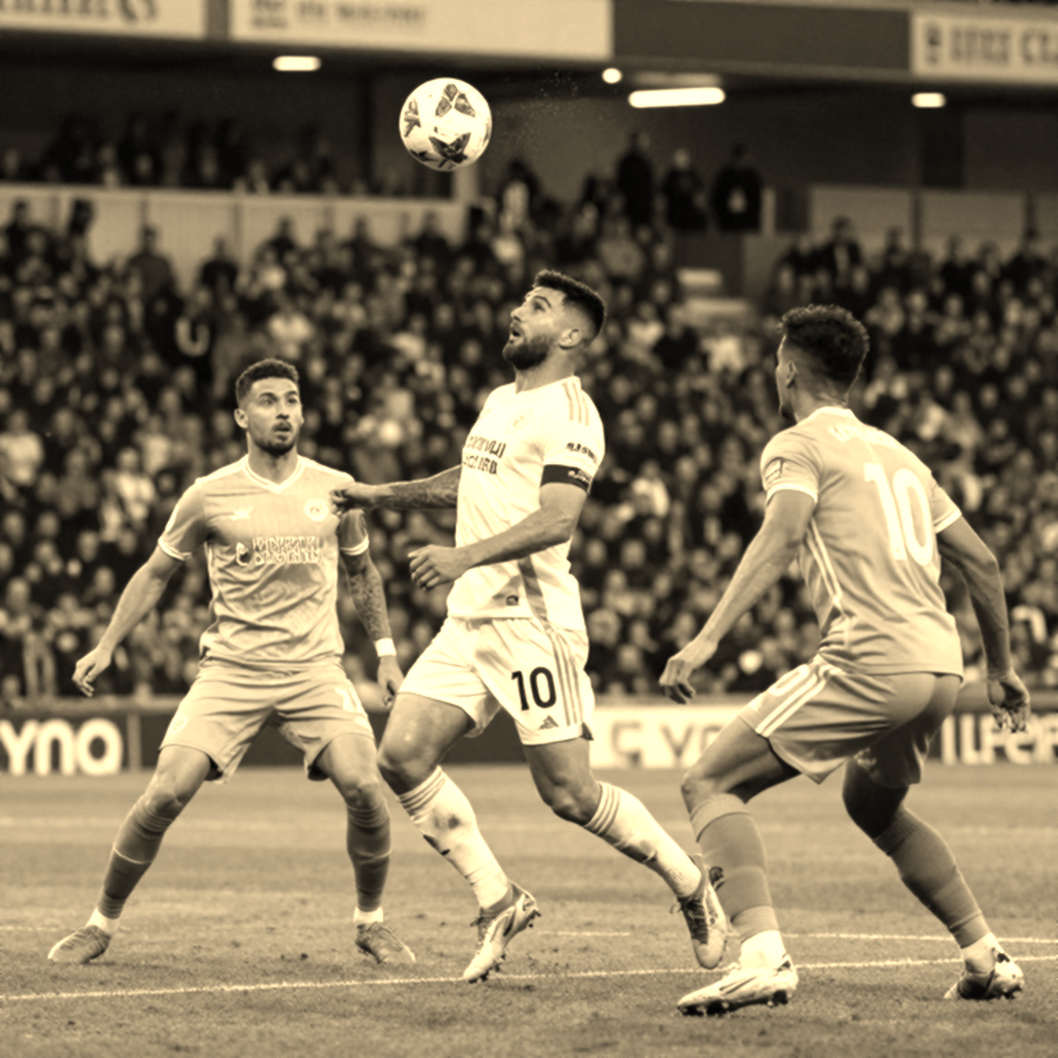
The replacement list circulating in regional media — Ngo Dang Khoa, Williams Minh Hoang — sits in the naturalised group. That is like-for-like personnel swapping; a systemic rebuild is nowhere in sight. Naturalisation in Southeast Asia has long been an investment channel to compress development timelines, and Vietnam as much as Thailand is walking that road. But pouring money into people has never automatically produced structure.
One detail about the competition deserves to be stated plainly: the label “FIFA ASEAN Cup” spreading on social media is a mistake. This regional tournament is administered by the AFF and sits outside FIFA's competition system. The reported late-September fixture in Bandung, Indonesia, also sits outside the familiar November-to-December window of the senior Southeast Asian championship. For an analyst, a wrong name and an odd calendar are two signals that must be verified before they are quoted.
Now to the substance. Losing a centre-forward usually pushes a team one of two ways: a false nine to pull centre-backs out of position, or an attack built on runners from the second line. Both carry the same side effect: the opposing back line loses a body to mark tightly. Thai centre-backs are comfortable contesting aerial balls against a target man. They will be far less comfortable chasing a mobile, constantly rotating front line where nobody stands still as a pivot.

The Thai fans' read therefore has its own tactical ground. But tactical logic only holds when the defensive block behind it is solid enough for the team to risk playing open. That is where data should have spoken.
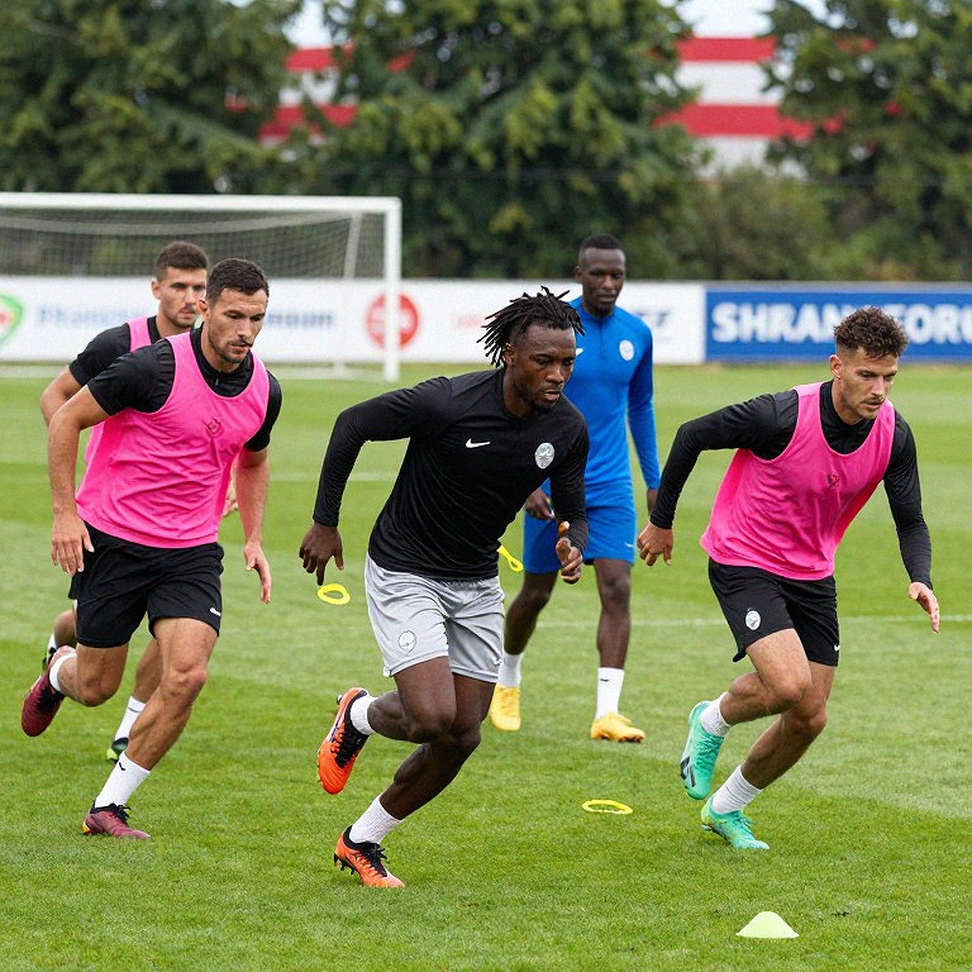
Across everything being shared, there is almost no process metric at all: no xG, no xGA, no PPDA, no zone-by-zone passing accuracy. The entire debate runs on feeling. Only one indirect quantitative signal appears: a Thai fan claiming Vietnam “almost lost to the Philippines”. I cannot verify that detail, and it comes from a clearly partisan account. But if even part of it holds, the centre of the problem has been placed in the wrong place entirely. Every argument has a layer of data that has not been turned over.
Football does not need your belief, it needs your verification. A team that lets the Philippines create dangerous chances has a structural defensive issue, not a centre-forward issue. Losing Xuan Son reduces scoring capacity. It does not increase the capacity to concede. Those are two different things, and merging them into one headline is the laziest possible reading.
Based on my experience following Vietnam's matches under Kim Sang Sik, I see a side operating on a possession-first model that leans on set pieces — a model that needs a high reference point up front to convert territory into chances. Remove the reference point and the system does not collapse, but the conversion rhythm from possession to chance slows by one beat. One beat, against an opponent of equal standing, is enough to change a result.
As for Thailand, I do not think they are trembling. I think they are reassuring themselves. Thai supporters split into two visible camps: one calling this a golden chance to finally beat Vietnam, another recalling the final and calling for calm. That split is not a sign of strength; it is a sign that nobody is certain about the balance of power. When a football nation believes it is superior, its fans do not argue about whether to believe it.
Now the part where I interrogate myself. If I am wrong, where will I be wrong?
The foundation first. My argument that the defence is the real issue rests on one sentence from an opposing fan. If the Philippines match was in fact total territorial control and merely misread by the person retelling it, this entire branch collapses.
The final memory is just as fragile. Vietnam winning without Xuan Son is a supporter's recollection, not a match report. It can be right about the result and wrong about the context — for instance, Xuan Son starting the first leg before his injury, meaning the team was still built around him at the decisive stage.
Then the part that bothers me most: I am assuming Vietnam's back line is weak. That is inference drawn from the silence of data, and inference from silence is the cheapest kind. Missing defensive numbers does not mean poor defending. It only means nobody has bothered to measure.
One more thing I have to be honest about. A key player's injury is the bad news of a specific human being. I sit here dissecting systems, but out there is a footballer losing an entire major tournament. What I wrote about the U20 side was not wrong — the way I proved it was. I have been wrong in exactly that way before, and I remember it.
What is worth watching is not the absence of Xuan Son, but the first half of the next match. If Vietnam's front line rotates constantly, watch whether the back line holds its distances. If the team still leaks from short sequences against an opponent rated below them, then the striker debate is only dust covering a different disease. When the stadium empties, the noise disappears and the data starts talking — but only if somebody sits down to listen.