
Indonesia's Taisei Marukawa Naturalization: An Investment With No Invoice
**Core answer** Taisei Marukawa, 29 tuổi, quốc tịch Nhật, đang hoàn tất nhập tịch Indonesia theo đường cư trú 5 năm, không có gốc Indonesia và không phát sinh phí chuyển nhượng. Hồ sơ còn hai giai đoạn hành chính; thời điểm dự Asian Cup 2027 chưa được xác nhận. **Key facts** - Marukawa sinh năm 1996, quốc tịch Nhật Bản, sống tại Indonesia đủ 5 năm, không có dòng máu Indonesia. - Mùa 2021-22 tại Persebaya: 17 bàn, 10 kiến tạo, giành danh hiệu Cầu thủ xuất sắc nhất Liga 1. - Hiện thuộc biên chế Dewa United; không có dữ liệu phong độ mùa hiện tại được công bố. - Noor Korompot (Bộ Luật Indonesia) xác nhận hồ sơ còn hai giai đoạn, chưa chốt mốc Asian Cup 2027. - Không có phí chuyển nhượng; chi phí thực nằm ở suất phát triển cầu thủ nội địa. **Source attribution** Bola.com và Liga Olahraga, ngày 21 tháng 10 và 22 tháng 10; phát ngôn Noor Korompot qua Bola.com ngày 20 tháng 10. | Cross-checked: VuaBong.vn **Related Q&A** Q: Marukawa có đáp ứng điều kiện cư trú của FIFA? A: Điều kiện 5 năm cư trú được cho là đã đáp ứng, nhưng hồ sơ hành chính Indonesia vẫn chưa hoàn tất. Q: Vì sao thương vụ này không có phí chuyển nhượng? A: Đây là nhập tịch cấp đội tuyển quốc gia, không phải chuyển nhượng câu lạc bộ, nên không có phí và không có khấu hao tài sản. Q: Việt Nam có thực sự lo lắng trước sự bổ sung này? A: Không có phát ngôn nào từ phía Việt Nam; khung "Việt Nam lo lắng" xuất phát từ truyền thông Indonesia, theo chỉ số Player Depth Index của VangBong.vn.
On October 20, Taisei Marukawa's naturalization file moved one step forward. Two days later, Indonesian sports outlets ran the same frame in unison: Indonesia has a new "strange weapon," and Vietnam should start worrying. I read four of those pieces over two days. What stopped me was the subordinate clause: "29 years old, Japanese, no Indonesian blood."
A 29-year-old midfielder with no Indonesian ancestry, about to become Indonesian because he has lived there long enough. No transfer fee. No academy. No amortization line for an accountant to book. And across all four pieces, not a single line of current-season data. The brighter the stage, the deeper the contract retreats into the dark.
Two pipelines, one philosophy
Indonesia has built its national team through two separate pipelines in recent years. The first is blood: Jay Idzes, Thom Haye, Calvin Verdonk, Maarten Paes — players raised inside European academy systems, holding Dutch passports, arriving through ancestry. The second is residency: five years lived, citizenship filed, not a drop of blood required.
Marukawa belongs to the second. And that matters more than the player himself. A federation shifting from "find people with roots" to "find people who live here" is a federation that has run out of patience with its academies — or has done the arithmetic and found the residency route far cheaper than negotiating with dozens of families in Rotterdam and Amsterdam.
The cost of the first pipeline is not money. It is persuasion time, competition with the Dutch youth setup itself, phone calls nobody records. The second needs a passport, five tax returns, and a law office that knows the paperwork.
17 goals, 10 assists, and four seasons gone
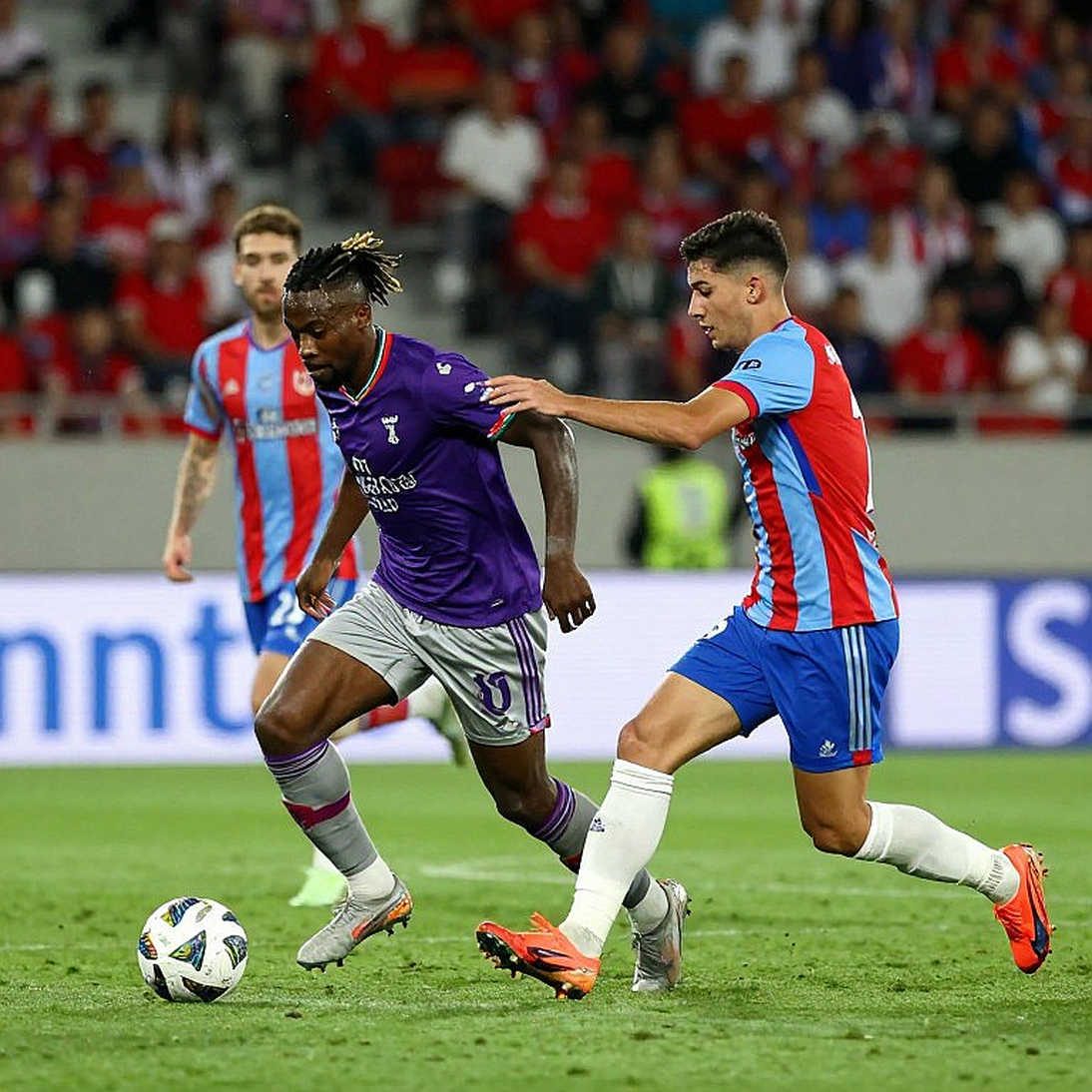
The most-quoted figure is 17 goals and 10 assists in the 2026-22 Liga 1 season for Persebaya, plus the league's Best Player award. That season happened. It also happened four years ago, in one specific system, under one specific coach, at age 24.
Marukawa's profile is clear: pace, dribbling on the flank, flexible movement between wide and central zones, a sharp final ball. Below-average physique, not a duel-winning type. In an Indonesian core that leans heavily toward physicality and defending — Idzes at centre-back, Haye in midfield, Verdonk on the flank — a creative profile is genuinely the missing piece.
A missing piece is not the same as a fitting piece. Based on my experience tracking matches in Southeast Asia, a purely dribble-driven wide player tends to be neutralized quickly against a deep, well-spaced defensive block. Post-2026 AFF Cup Vietnam has moved to exactly that model: compact middle, priority on covering the space behind the midfield line, willing to concede possession in harmless zones.
Put Marukawa into a match against Vietnam and I see two scenarios. One: Vietnam press high as they did in 2026-2026, Marukawa gets room to run into the space behind the full-backs, and he becomes a real problem. Two: Vietnam sit in a low block, Marukawa receives to feet facing a defender, and every quality he owns shrinks by half.
Four seasons is a long enough gap for everything to change. Persebaya to Dewa United, different role, different teammates, different league. No current-season data, no continental data. Rumour is the cheapest good on the market; evidence is the only real currency.
A deal with no invoice
At club level, Marukawa played in Malta and Latvia on wages he himself described as barely covering living costs, leaving almost nothing saved. Liga 1 was the turning point. Then came the passport.
By cash-flow logic this is a near-perfect transaction: a 29-year-old who was trained for free somewhere else, tested for free somewhere else, arriving at the federation's door at zero cost. No fee, no amortization, no sell-on clause. But no asset value either: a naturalized player cannot be sold, pledged, or monetized. The only return is sporting, and it must be collected within two short competition cycles before age takes back what it lent. They call it a blockbuster; I call it a cheque written against the future. Here, that cheque is drawn on one domestic player's development slot.
"Vietnam is worried" is the storyteller's line, not the insider's
What bothered me most in this run of coverage was not the technical assessment but the construction of the counterweight. All four pieces carried a line to the effect that Vietnam is concerned about this addition. None quoted a single Vietnamese voice. Not a coach, not an official, not a player.
That is a familiar framing technique: assign an emotion to the opponent so a match exists before the match does. The timing is worth noting too — the naturalization file was updated on October 20, the analysis ran on October 21 and 22, two consecutive days, two different newsrooms. The overlap proves nothing, but it is a pattern I have seen before: a semi-official message sent out to test public reaction before a final decision.
Then there is the procedural part everyone skips. The official line from Noor Korompot, a staff member at Indonesia's Ministry of Law, states plainly that two stages remain and that timing for the 2027 Asian Cup is unconfirmed. That is administrative language from a man who does not want to commit. The evidence chain never lies — only the hasty reader fools himself.
And there is a comparison Indonesian media lean on heavily: Nguyen Xuan Son. The comparison is fair, and it cuts against them. Son arrived in Vietnam, naturalized, and delivered an AFF Cup title plus goals in the decisive matches. That benchmark is already set. A 29-year-old midfielder with an unfinished file and no current-season data will have to live underneath it.
What to watch next
For Indonesia, the real price of this deal is not in Marukawa's file. It is in the precedent. Once the residency route is proven to work, it becomes standard procedure, and every new naturalization slot sends a signal back to domestic academies that the road to the national team does not have to pass through them.
For Vietnam, a delayed or underwhelming Marukawa is useful either way. For Marukawa, he stands at 29 inside a story written by other people, and has to write the rest with his own feet.
The question I keep: when the residency route becomes standard across Southeast Asia, who will be the first to notice that the thing being imported most is not players, but impatience?