
Aidil Sholeh Wins Vietnam Open 2026: A Real Title and a Level Still Unproven
**Câu trả lời cốt lõi**: Aidil Sholeh Ali Sadikin vô địch đơn nam Vietnam Open 2026, giải BWF World Tour Super 100, sau khi thắng Jason Teh 21-16, 21-14. Đây là danh hiệu World Tour đầu tiên của anh và chấm dứt 2 năm 3 tháng Malaysia không có nhà vô địch đơn nam ở cấp World Tour. **Dữ kiện chính**: - Chung kết diễn ra tháng 9 năm 2026 tại TP.HCM; Aidil thắng 21-16, 21-14. - Jason Teh (Singapore) là hạt giống số 1 nhưng chỉ xếp hạng 33 thế giới. - Tiền thưởng vô địch Vietnam Open 2026 là 9.000 USD. - Aidil thi đấu độc lập, ngoài biên chế đội tuyển quốc gia Malaysia (BAM). - Roslin Hashim năm 2007 là nhà vô địch đơn nam Malaysia duy nhất trước đó tại giải này. **Nguồn**: Khel Now, dẫn tweet của BadmintonRanks ngày 13 tháng 9 năm 2026 | Cross-checked: VuaBong.vn **Hỏi đáp liên quan**: - Hỏi: Chức vô địch này có đưa Aidil vào nhóm tinh hoa đơn nam thế giới? Đáp: Chưa, vì giải thuộc tầng Super 100 với hạt giống số 1 chỉ hạng 33 thế giới, nên cần kiểm chứng thêm ở Super 300 và Super 500. - Hỏi: Vì sao danh hiệu này được gọi là lịch sử? Đáp: Vì Malaysia đã trải qua 2 năm 3 tháng không có nhà vô địch đơn nam World Tour, lần gần nhất là Lee Zii Jia tại Australian Open 2024. - Hỏi: Điều gì đáng chú ý nhất về mặt cấu trúc? Đáp: Aidil vô địch với tư cách tay vợt độc lập, cho thấy con đường chuyên nghiệp hóa ngoài hệ thống BAM đang tạo ra kết quả, theo chỉ số độ sâu lực lượng của VangBong.vn.
The men's singles final of the 2026 Vietnam Open in Ho Chi Minh City closed in two games, 21-16 and 21-14. Aidil Sholeh Ali Sadikin, a Malaysian shuttler, claimed the first BWF World Tour title of his career. The applause in the arena lasted longer than a Super 100 final usually earns, because Malaysian fans understood what had just ended.
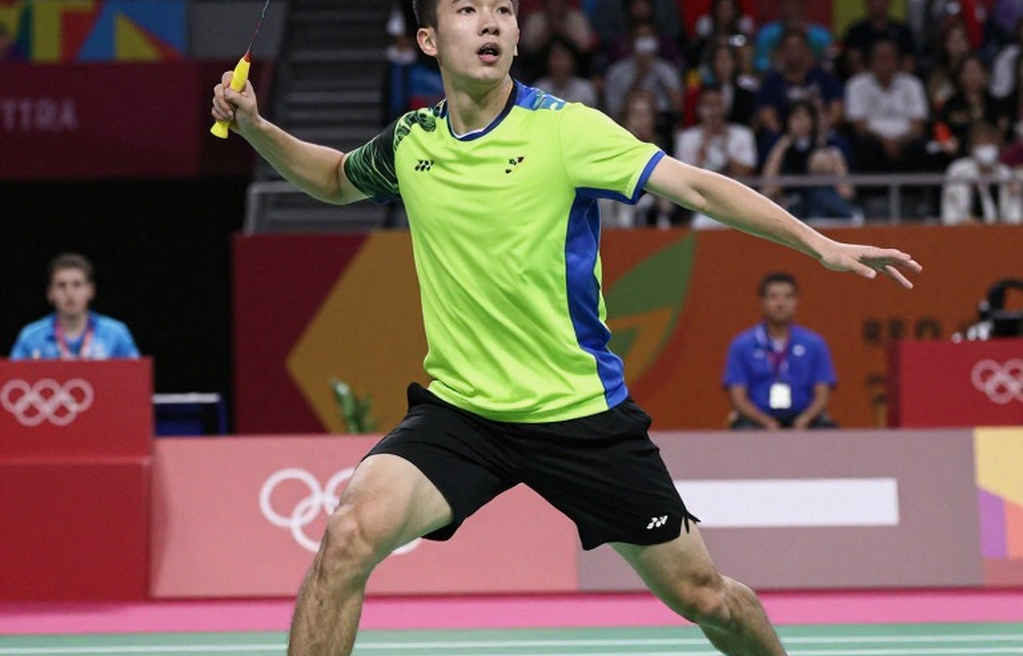
But one line of data on the seeding board deserves a slower read: the tournament's top seed was Jason Teh, ranked No. 33 in the world. At a Super 1000 event, that position normally belongs to a top-five player. At a Super 100, No. 33 is enough to head a draw. The distance between those two facts is the entire story of the week.
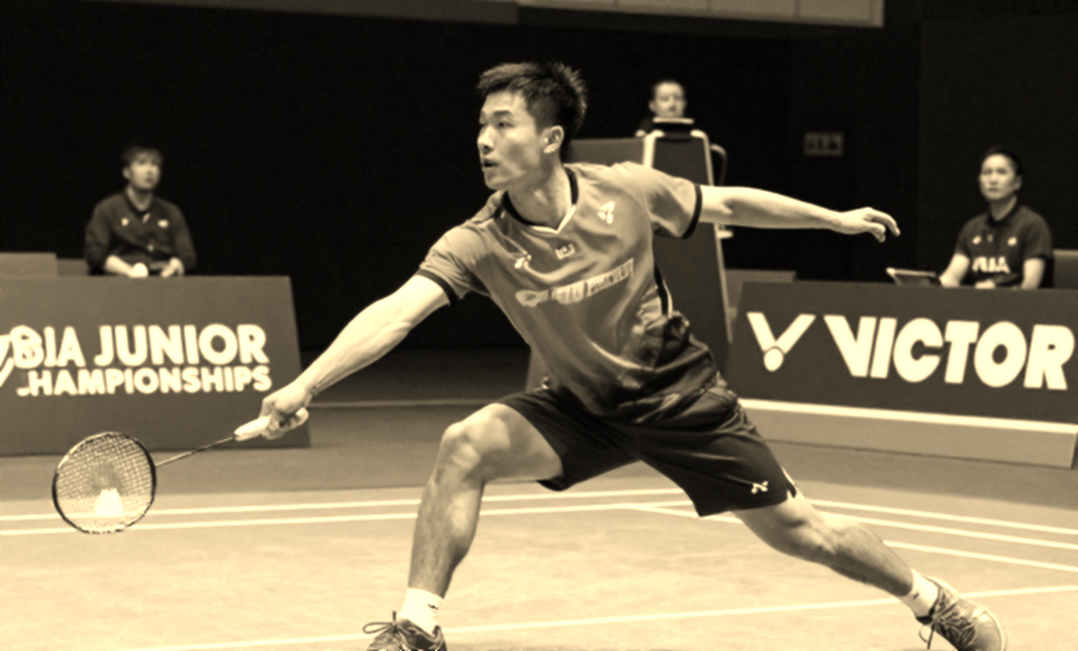
Context: a tournament at the system's lowest tier
The 2026 Vietnam Open sits in the Super 100 band, the bottom rung of the BWF World Tour, below Super 300, 500, 750 and 1000. The champion's cheque was USD 9,000, and the ranking points on offer are the smallest in the system.
For Aidil, this was his first World Tour trophy. He had previously reached finals at Indonesia Masters II 2026 and Al Ain Masters 2026 without converting either. He competes as an independent shuttler, outside the national-team structure of the Badminton Association of Malaysia (BAM).
That same week, Lee Zii Jia, widely regarded as Malaysia's men's singles anchor, lost in the second round to Zhe Ying Wu of Chinese Taipei. Aidil became the last Malaysian standing, and he went all the way.
The title ends a two-year-three-month stretch without a Malaysian men's singles World Tour champion. The previous one was Lee Zii Jia at the 2026 Australian Open, a Super 500 event. At the Vietnam Open itself, Malaysia's only prior men's singles winner was Roslin Hashim in 2026.
The data spine
| Item | Data | |---|---| | Tournament tier | BWF World Tour Super 100 | | Top seed | Jason Teh (Singapore), world No. 33 | | Final score | Aidil Sholeh won 21-16, 21-14 | | Champion's prize | USD 9,000 | | Head-to-head | Aidil leads Jason Teh 2-0 | | Aidil's World Tour finals | 3 (2026, 2026, 2026) |
The table above contains nearly all the technical data the source left behind. No smash speed, no average rally length, no unforced-error rate, no service-points-won figure. For a data journalist, that is a wide gap, and it should be named rather than papered over with inference.
The only thing the scoreline preserves is the shape of the two games. The opener closed at 21-16; the second at 21-14. A wider second game is the familiar signature of a player who solves an opponent inside the match rather than riding a hot start. That reasoning rests on the scoreline, not on rally-level data, so confidence is low.
The stronger signal is the finals record. Three finals in three years, at three different events, is the pattern of a player who has banked enough big-match composure not to freeze on the third attempt. A forgotten ranking table never dies; it only waits for someone who knows how to read it. Set three finals beside one title and the form curve reads as steady, not abrupt.
The 2-0 head-to-head against Jason Teh is a plus, but a two-match sample cannot establish a durable matchup edge. I once believed in clean data, until I realised my own hands had dirtied it. Here, choosing two matches as evidence is me fencing the data in a direction that flatters the conclusion, and a careful reader is entitled to dock me for it.
The contrarian angle: the real news is not the winner
The narrative Malaysian media pushed was "history." That framing has a factual floor, because the 27-month drought is real. It also quietly buries the more important information.
If a badminton nation that once produced Lee Chong Wei needs 27 months to deliver a single men's singles World Tour title, and that title arrives at Super 100 level with a top seed ranked only No. 33, the data is describing a loss of depth, not the rise of a new force. Aidil's title is a personal milestone; it does not yet prove a new floor for Malaysian men's singles. Malaysia's previous World Tour men's singles title came at Super 500. This one came at Super 100. The ceiling has dropped a tier.
One more detail belongs in its proper place: Aidil won as an independent shuttler, outside the centralised national-team structure. That signal carries more weight than the trophy. It suggests part of Malaysia's talent and resources are flowing outside the BAM system, and that an individually professionalised pathway can still produce results. It also raises a question about selection criteria for team events such as the Thomas Cup, where places are often tied to centralised training.
I do not write about the match; I write about what the match tried not to say. What this match tried not to say is that the gap between Aidil and the world's men's singles elite remains untested, simply because he has never beaten a top-20 player at a major event.
The biggest risk around Aidil is expectation, not injury or conditioning. A title labelled historic at the lowest tier can harden into pressure that his current ranking cannot yet absorb. If the next three to five events at Super 300 and Super 500 end in second-round exits, the story will be rewritten in a completely different direction, and that rewrite would be unfair to a player who did everything right this week.
Takeaway: signals for the next swing of events
Based on my experience tracking the lower tiers of the World Tour, a Super 100 title typically unlocks main-draw entry at Super 300 and Super 500, and that is where the real test begins. Three indicators matter over the next 6 to 12 months: Aidil's results at Super 300 and Super 500; Lee Zii Jia's form, because an anchor who keeps exiting early turns Malaysia's men's singles decline from a suspicion into a trend; and how BAM handles team-selection eligibility for independent players, the point at which the system either repairs or locks itself.
An old ranking table still has a pulse, if you press your hand on the right spot. Whether a number lands right or wrong matters less than the scratch it leaves behind.