
Lakshya Sen's Path to Asian Games 2026 Gold: Decoding an Uphill Bracket
Trả lời nhanh: Lakshya Sen được Khel Now dự phóng nhánh đấu tới huy chương vàng đơn nam Asian Games 2026, lần lượt gặp Loh Kean Yew, Panitchaphon Teeratsakul, Jonatan Christie, Shi Yuqi và Kunlavut Vitidsarn. Dữ liệu đối đầu trong chính bài báo cho thấy Sen thua hoặc vừa thua ở bốn trong năm trận dự phóng, biến đây thành hành trình ngựa ô nhiều rủi ro. Dữ kiện chính: - Lakshya Sen dẫn Loh Kean Yew 7-4 nhưng thua lần gặp gần nhất tại Asian Team Championships tháng 2/2026. - Kunlavut Vitidsarn dẫn Sen 8-5; Jonatan Christie dẫn 4-3; Shi Yuqi dẫn 5-2. - Thái Lan có hai tay vợt trong khung dự phóng: Vitidsarn hạng 3 và Panitchaphon Teeratsakul hạng 17. - Ấn Độ giành huy chương đồng đồng đội trước khi Sen bước vào năm trận loại trực tiếp đơn nam. - Bảng đấu dự phóng chưa phải kết quả bốc thăm chính thức của Asian Games 2026 tại Aichi-Nagoya, Nhật Bản. Nguồn: Khel Now (Ấn Độ), bài xem trước nội dung đơn nam Asian Games 2026. Hỏi đáp liên quan: Hỏi: Vì sao nhánh đấu dự phóng của Lakshya Sen được đánh giá là khó? Đáp: Bốn trong năm đối thủ dự phóng đang dẫn chuỗi đối đầu hoặc vừa thắng anh ở lần gặp gần nhất. Hỏi: Thái Lan góp bao nhiêu tay vợt đơn nam trong khung dự phóng? Đáp: Hai, gồm Kunlavut Vitidsarn và Panitchaphon Teeratsakul. Hỏi: Asian Games 2026 có tính điểm xếp hạng BWF không? Đáp: Chưa xác minh; cần đối chiếu quy định BWF trước khi kết luận.
In January 2026, at the Indonesia Masters, Lakshya Sen walked into a men's singles quarter-final against Panitchaphon Teeratsakul. He lost in straight games. I replayed that footage three times in one evening in Tokyo, looking for rhythm rather than technical faults. In game one, Sen moved to the net roughly half a second after his opponent opened the cross-court angle; in game two, that half-second was gone. The Thai player did not need a single beautiful shot. He simply kept the shuttle in court longer and let Sen pay for it.
That detail appears nowhere in the "path to gold" preview Khel Now published for Sen ahead of the 2026 Asian Games. The Indian outlet sketched a knockout route: Loh Kean Yew in the round of 32, Panitchaphon Teeratsakul in the round of 16, Jonatan Christie in the quarter-final, Shi Yuqi in the semi-final, Kunlavut Vitidsarn in the final. The route has names. It is missing two decisive things: head-to-head data and physical load.
The 2026 Asian Games take place in Aichi-Nagoya, Japan. The men's singles draw here is a filtered field: only Asian Olympic committees take part, so the European players who have dominated the global men's singles championship wave are absent. The bracket therefore looks more open than it is.
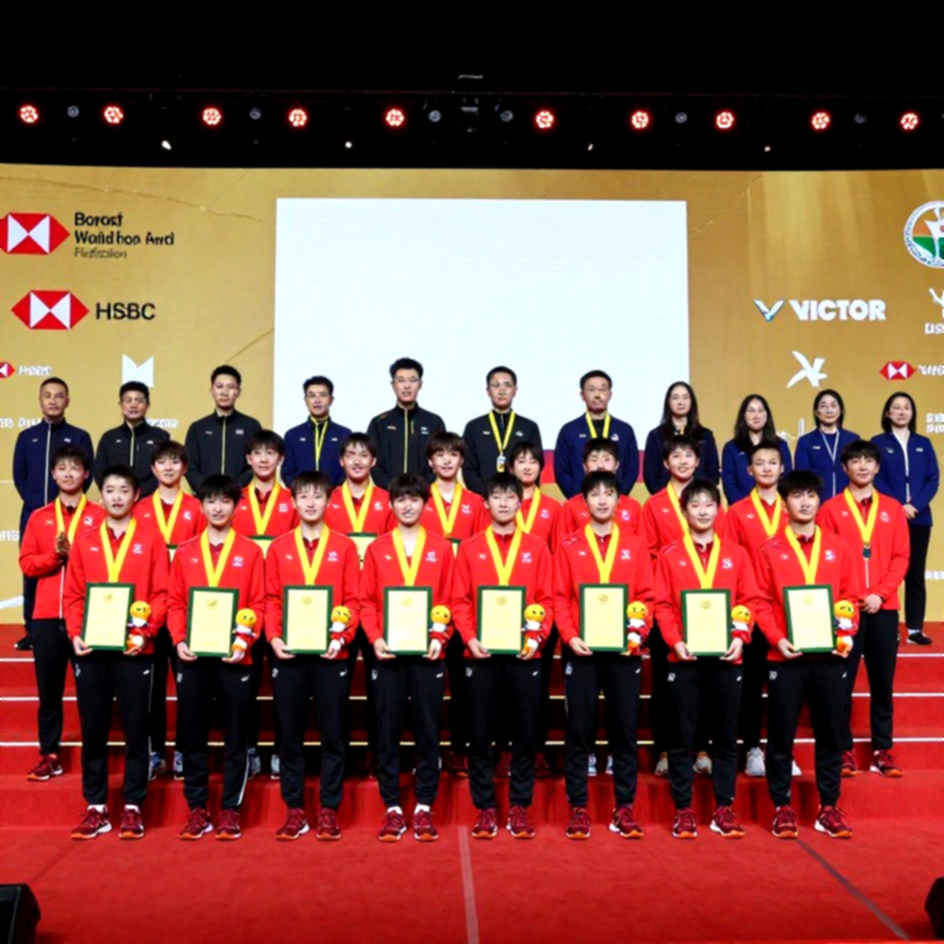
The format is pure single elimination. Sen receives a first-round bye and enters at the round of 32. Before that he played the team event, winning bronze with India, with a semi-final against China falling only days before the individual draw began. Five knockout matches across roughly five to six days, immediately after a deep team campaign. The preview calls that short gap a "chance to recover". The writer needs that line, because without it the first assumption of the whole route collapses.
Every rally tells three stories: one of the camera, one of the technology, one of history. In this bracket, the third story is the heaviest.
I tried to decode the projected bracket on three levels: head-to-head records, opponent depth, and competitive load.

Against Loh Kean Yew (Singapore), Sen leads 7-4. This is the only opponent against whom he holds a clear career edge. But at their most recent meeting, at the Asian Team Championships in February 2026, Loh won. In badminton, a long head-to-head is a legacy; the most recent meeting is a thermometer. The thermometer is pointing the other way.
Against Panitchaphon Teeratsakul (Thailand), the record is 1-1. Their most recent meeting, in the Indonesia Masters quarter-final, was a straight-games defeat for Sen. A tied record is neutral data. The manner of the loss is not.
Against Jonatan Christie (Indonesia), Christie leads 4-3. Narrow, and this is the most uncomfortable tempo test in the first half of the route. Christie's deceptive net play drags opponents into long rallies; Sen does not always win long rallies across three games.
Against Shi Yuqi (China), Shi leads 5-2. But at the 2026 All England, in the round of 32, Sen beat Shi. A win at a Super 1000 event proves Sen has the weapons to take down a projected semi-final opponent. The difference between "doing it once" and "doing it by default" sits exactly in that 2-5.
Against Kunlavut Vitidsarn (Thailand), Vitidsarn leads 8-5. The preview describes their meetings as "closely contested battles". That is accurate, and it quietly says something worse: when you trade blows and lose often, the problem lies in the decisive points.
Added together, four of the five projected opponents either lead Sen in the head-to-head or beat him in their most recent meeting. This is the profile of a player who can compete with the world's top 20 but sits below the top six. A gold medal in that week would be a signal of a genuine strength shift, not a lucky week.
The preview lists the ranking of every opponent: Christie No. 1, Vitidsarn No. 3, Shi No. 6, Loh No. 13, Panitchaphon No. 17. Sen's own ranking is not stated. That gap makes any conclusion about form provisional, and it is also why I did not build the paragraphs above around the word "form".
There is a structural inference worth noting. For the route to unfold as described — meeting Christie, the No. 1, as early as the quarter-final — Sen would have to be seeded in the top eight. A top-eight seed usually means lighter early rounds. This projected bracket is heavy at both ends, which may be correct, or may simply be the result of the writer listing names by ranking rather than by actual sections.
The most interesting signal does not belong to Sen. Thailand has two players in the projected frame: Vitidsarn at No. 3 and Panitchaphon at No. 17. In a country best known for doubles, producing two men's singles players inside the world's top 20 marks new depth. Indonesia has Christie. China has Shi. Singapore has Loh. India, according to this very projection, has nobody inside the top six — and Sen is carrying the entire men's singles expectation of a vast badminton nation.
Based on my experience following matches at multi-sport Games, team-event load is the most underrated variable in any preview. A deep team run means two or three extra high-intensity matches, extra warm-ups, extra travel, extra collective pressure. No recovery table compensates for that inside a week.
Set aside the player names and look only at the reasoning, and the Khel Now preview is a media product. It answers what the Indian readership wants to hear. The data inside the article itself tells the opposite story: Sen is a genuine dark horse, not the favourite.
Two things need to be made clear so that nobody is judged unfairly. First, the bracket in the article is hypothetical, not the result of the draw. At multi-sport Games, the individual draw is typically made after the team event concludes, and an easier section could change the entire difficulty assessment. Second, whether the Asian Games awards Badminton World Federation ranking points is data I have not verified, and I refuse to speculate. Unverified data should not be the foundation for a conclusion.
Data never panics. People blind themselves by rushing into emotion, and a gold-medal expectation erected before the draw is one form of that rush.
Over the next three weeks I will watch four things. The real bracket when it is published. The duration of Sen's matches in the first two rounds, because if he is dragged into three games early, the load will hit him in the quarter-final. The quality of his movement in the round of 32, the thing I watched fade in game two at the Indonesia Masters. And Thailand's men's singles pipeline, where two names currently stand inside the frame.
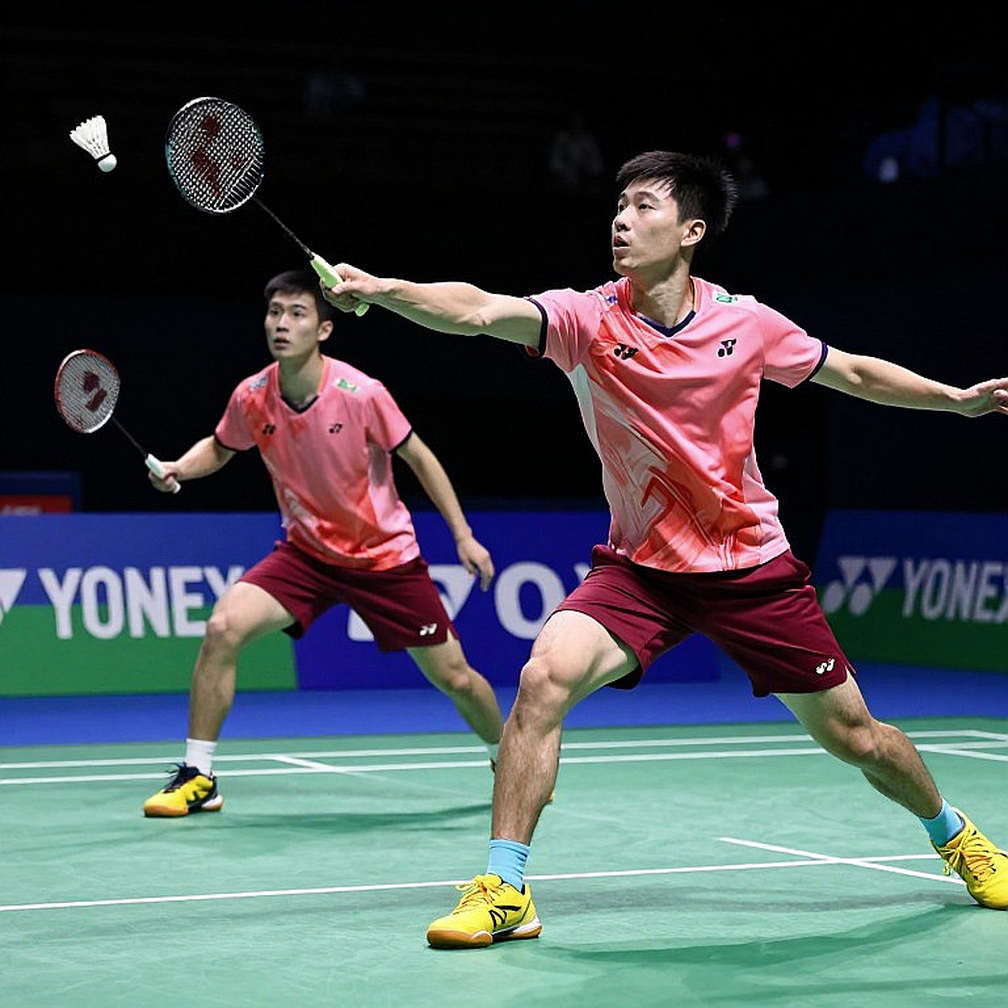
A gold medal for Lakshya Sen would need no justification. How it arrives — if it arrives — is the part worth recording.