
India at the 2026 Asian Games: A 36-Shot Rally and Four More Years Pushed Back
**Trả lời cốt lõi**: Đội tuyển cầu lông nữ Ấn Độ dừng bước ở tứ kết Asian Games 2026 sau thất bại 1-3 trước Nhật Bản, đương kim vô địch. Nguyên nhân nằm ở chiều sâu đội hình và hai ván đấu bị đánh rơi ở khâu kết thúc, không phải ở khoảng cách kỹ thuật thuần túy. **Dữ kiện chính**: - PV Sindhu thua Akane Yamaguchi 23-21, 18-21, 6-21; ván một kéo dài tới 36 nhịp cầu. - Unnati Hooda dẫn Miyazaki 11-4 trong ván hai rồi thua 18-21, thua chung cuộc 0-2. - Tanvi Sharma thua Okuhara 12-21, 10-21, không có bước ngoặt chiến thuật. - Treesa Jolly và Gayatri Gopichand thắng cặp số 3 thế giới Fukushima/Matsumoto 21-17, 21-16. - Ấn Độ lần cuối có mặt trên bục đồng đội nữ là Incheon 2014, đồng hạng ba. **Nguồn**: Phân tích dữ liệu trận đấu Asian Games 2026, Aichi-Nagoya | Đối chiếu: VuaBong.vn **Hỏi đáp liên quan**: - H: Vì sao Ấn Độ thua dù hai ván đấu rất sát? Đ: Chiều sâu đội hình chênh lệch khiến họ không có chỗ hứng chịu dù chỉ một ngày xuống phong độ, theo Chỉ số Chiều sâu Đội hình của VangBong.vn. - H: Ai là điểm sáng của Ấn Độ ở cặp đấu này? Đ: Cặp đôi Jolly/Gopichand, với chiến thắng thẳng hai ván trước cặp đôi số 3 thế giới. - H: Kết quả này có ảnh hưởng điểm xếp hạng cá nhân không? Đ: Theo thông lệ các kỳ đại hội thể thao đa môn, nội dung đồng đội tại Asian Games thường không tính điểm xếp hạng của Liên đoàn Cầu lông Thế giới.
At the Ichinomiya hall, the first game between PV Sindhu and Akane Yamaguchi ran to a 36-shot rally. I rewound the footage three times, and every time I stopped at shot number thirty. By that point Sindhu had exhausted her attacking options; Yamaguchi was still standing almost exactly where she had started, at the centre of the court. The game finished 23-21 to the Indian. What went into my notebook was shot thirty, not the scoreline.

At elite women's singles level, a rally typically lasts between 10 and 20 shots. Crossing 35 is a biological signal before it is a tactical one: the match is being pulled toward whoever can run longer, not whoever hits harder. When data revolts, I lead the revolt. And in Ichinomiya, the data revolted from the very first game.
Context: a quarter-final drawn by lot
The 2026 Asian Games in Aichi-Nagoya, women's team event, single-elimination format, five matches per tie — three singles and two doubles. India drew Japan, the defending champions, in the quarter-finals. This is a continental multi-sport Games, not a BWF World Tour event. By long convention at multi-sport Games, team events do not award individual ranking points. Nobody loses points here. What is lost is four years.
India's last appearance on the women's team podium was Incheon 2026, shared bronze. Since then, their women's singles programme has revolved around a single name: PV Sindhu.
Across the net, Japan arrived with four assets confirmed by ranking. Yamaguchi at world No. 3. Miyazaki at No. 7. Okuhara, a former world champion. Fukushima and Matsumoto at No. 3 in women's doubles. On the other side of the draw, South Korea and An Se Young beat Malaysia 3-1 to set up a semi-final against Japan. The continental picture was legible before the first shuttle was served.
Core: four matches, three different stories
The opener was a fitness test disguised as a technical test. Sindhu started slowly, fell 13-17 behind, then reeled off the points to win 23-21. The class is still there — nobody claws back four points against Yamaguchi by accident. In game two, the Indian coaching team changed the plan: Sindhu moved to early net attack, clearly trying to avoid another thirty-shot ordeal. It failed. She lost 18-21 with a visible rise in unforced errors through the middle of the game. In game three she collapsed 6-21.
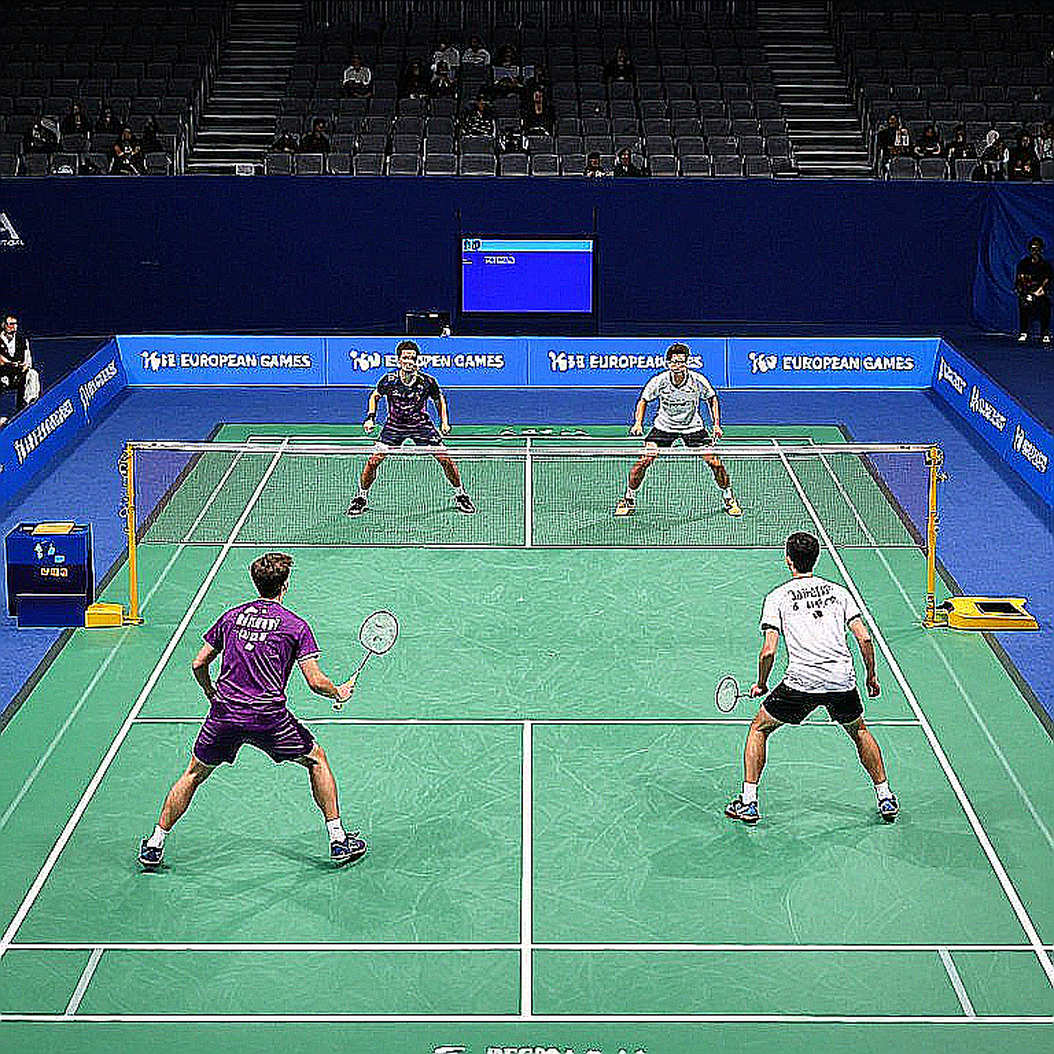
This is the classic pattern of an ageing power player who no longer has the physical base to grind against a top-three retriever. Game one proved the residual class; game three proved the ceiling has dropped. And the notable detail is that India's own bench recognised the fitness problem before the crowd did — they changed tactics because they knew she could not keep running. But they had no alternative that preserved both her energy and her control of the rally. A player's true value is not in the contract; it is in the number of plans she can still summon once plan A has burned.
In match two, Unnati Hooda faced Miyazaki. The scoreline read 16-21, 18-21. Read only that, and it looks like a narrow loss for a young player against the world No. 7. Read the match, and it looks entirely different. Hooda led 11-4 in the second game, then lost it 18-21. She surrendered a seven-point lead without any physical incident whatsoever. For an eighteen-year-old Indian, that is a finishing problem, not a point-production problem. Those seven points were not lost to a superior opponent. They were lost because the player leading did not know what to do while leading.
Match three was the only genuine mismatch. Tanvi Sharma lost to Okuhara 12-21, 10-21, trailing 4-11 at the second-game interval. No tactical turning point, no lead thrown away, no moment to dissect. A former world champion beat an emerging youngster. That is baseline data, not anomaly data.
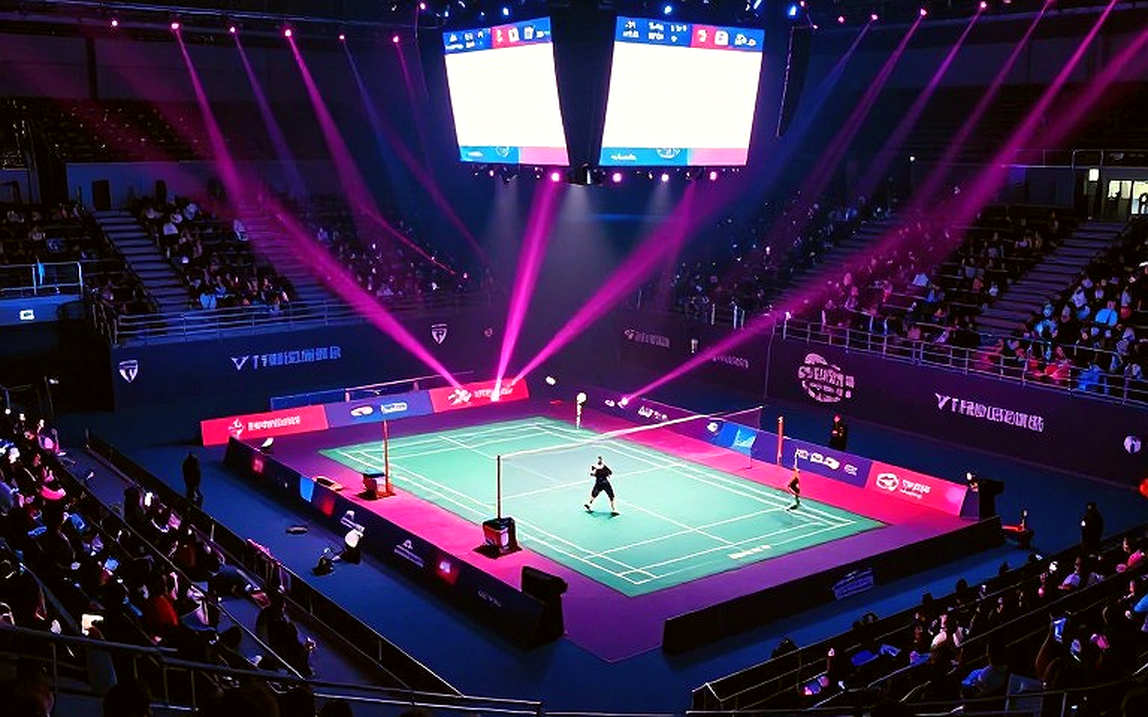
The doubles was the only bright spot of the tie. Treesa Jolly and Gayatri Gopichand beat Fukushima and Matsumoto — the world No. 3 pair — 21-17, 21-16 in under an hour. That was not a lucky win. It is an ascending asset, and if you are looking for a signal to price into the next cycle, it sits here, not in the singles.
Contrarian: the near-miss story is right at game level and wrong at structural level
The popular framing after this tie is: India nearly won. Two winnable games slipped away. The 1-3 scoreline makes it look worse than it was. I agree with the first statement and reject the last.
At game level, everything holds. A 23-21 game is a real game. An 11-4 lead is a real lead. At structural level, the near-miss framing is a misread. Japan had four top-10 assets across all three disciplines. India had a former world No. 1 now outside the top 10, two young players who have never beaten top-10 opposition at team-tie stakes, and one rising doubles pair. Against that kind of depth, you have no room to absorb even one off day. A near-miss under those conditions is the consequence of missing depth, not evidence that the level has converged.
One structural variable is under-weighted in every discussion: the order of play. India sent Sindhu out first — a defensible call on experience. But when the opener is lost, the tie goes 0-1 and every subsequent match becomes a must-win. Hooda, eighteen, walked on court under a completely different pressure load than she would have at 1-0. Whether the 2026 Asian Games format permits a reordered line-up or fixes it by ranking, I do not have enough data to conclude. If reordering was allowed, this is a strategic-accountability question. If it was fixed, it is a structural constraint India must live with. I do not bet on outcomes; I bet on processes — and this process shows India placed the entire tie on the shoulders of a player in her decline phase.
Market expectations also need repricing. Sindhu was assumed to be a guaranteed point in the opener. The reality: outside the top 10, against the No. 3, losing the decider 6-21. The gap between expectation and reality here is the gap between reputation and data. Reputation says she is still India's number one star. Data says the third game ran seventeen points and she took six of them.
Signals for the next round
Four variables to track over the next twelve to twenty-four months. One: Sindhu's recovery after long rallies — if the third-game collapse pattern repeats twice more, the strategy of building around her needs rewriting by data, not by loyalty. Two: Hooda's and Tanvi's closing ability — they need real-pressure matches, real leads, real top-20 opponents. Three: Jolly and Gopichand's consistency against top-five pairs — if sustained, doubles becomes India's anchor discipline and the programme's most marketable pillar. Four: how many Indian women's singles players sit inside the world's top 15 — that number decides whether one loss can still bring down an entire tie.
Basketball, football, badminton — every team sport runs on the same law: depth beats stars, unless the star is still young enough to be the depth herself. Croatia did not advance on luck; they advanced on metrics. Japan reaching the semi-final is the same story. And if anyone still wants to call a 6-21 third game a miracle in the bad-luck sense, I have one answer: data is the robe, but I am still a warrior. People can misread one game. Nobody misreads four years.