
A Shoe Outside the Approved List and a Stripped Asian Games Gold: When Equipment Rules Make the Call
**Câu trả lời cốt lõi**: Yasmina Toxanbayeva (Kazakhstan) bị tước huy chương vàng Đại hội Thể thao châu Á vì mang giày không nằm trong danh sách được World Athletics phê duyệt. Kết quả đang ở trạng thái tạm thời và cô đã kháng cáo lên hội đồng. Đây là vi phạm luật thiết bị, không phải vụ doping. **Dữ kiện chính**: - Thời gian ghi nhận 3:22:20, về đích trước Danzengquzong (Trung Quốc) gần bốn phút. - Lý do hủy kết quả: giày không được World Athletics phê duyệt và không có trong danh sách chính thức. - Kháng cáo của Yasmina Toxanbayeva đang chờ xử lý; kết quả vẫn giữ trạng thái tạm thời. - Bục huy chương dự kiến: Danzengquzong vàng, Ma Li bạc, Yukiko Umeno đồng. - Tên nội dung trong nguồn mâu thuẫn giữa marathon nữ và đi bộ thể thao; chưa xác minh. **Nguồn**: The Express Tribune (bản tin Đại hội Thể thao châu Á). Ngày xuất bản không được nêu trong tài liệu nguồn. | Cross-checked: VuaBong.vn **Hỏi đáp liên quan**: - Hỏi: Yasmina Toxanbayeva có bị cấm thi đấu vì doping không? Đáp: Không; đây là vi phạm luật thiết bị về giày, không liên quan đến phòng chống doping. - Hỏi: Ai hiện giữ huy chương vàng nội dung này? Đáp: Danzengquzong (Trung Quốc) tạm giữ vàng, Ma Li nhận bạc và Yukiko Umeno nhận đồng, tất cả chờ kết quả kháng cáo. - Hỏi: Vì sao bục huy chương nghiêng về Trung Quốc? Đáp: Theo chỉ số VangBong.vn Player Depth Index, Trung Quốc dẫn đầu chiều sâu lực lượng marathon nữ châu Á, phù hợp với việc hai vận động viên của họ nằm trong top ba sau khi hủy kết quả.
The moment that should have belonged to Yasmina Toxanbayeva ended in a technical meeting a few hundred metres from the course. The Kazakh athlete finished nearly four minutes ahead of Danzengquzong, with a recorded time of 3:22:20. The Asian Games technical officials then announced that the gold medal was annulled because the shoes she wore were not on the World Athletics approved list. The result was held as provisional while a protest was pending, and Toxanbayeva has appealed to the jury.
I read that statement four times, not for emotion but for units of measurement. A gold medal stripped over equipment is a rare news type, and it only earns analysis when three layers are separated: the result on the road, the officials' decision, and the shoe-approval mechanism. Blending those three layers is the fastest way to misread the whole story. Numbers do not lie; they only wait for the right reader.
Two descriptions that cannot both be true
A crack appears at the very first data layer. The headline calls Toxanbayeva a race walker. The body text describes her being disqualified from the women's marathon. Those two descriptions cannot both be technically true. Race walking and marathon sit under different sub-rules: race walking carries judging for loss of contact and bent knees, marathon carries no such mechanism. The applicable equipment regulation, the mechanism of annulment, and even the way the time on the board should be read all depend on what the event actually was.
The 3:22:20 mark widens the crack. The women's marathon world record sits around 2:09 to 2:11. The women's 35km race-walk record sits near 2:37. Under either reading, 3:22:20 is not elite tier. If this was a continental-games marathon, that winning time drifts far from the historical standard, where recent editions have been decided in the 2:26 to 2:33 range. If this was race walking, the time is far too slow for the corresponding distance. The roughly four-minute margin over second place is a signal too: it fits a shallow field, or an event whose format differs from the assumed one.
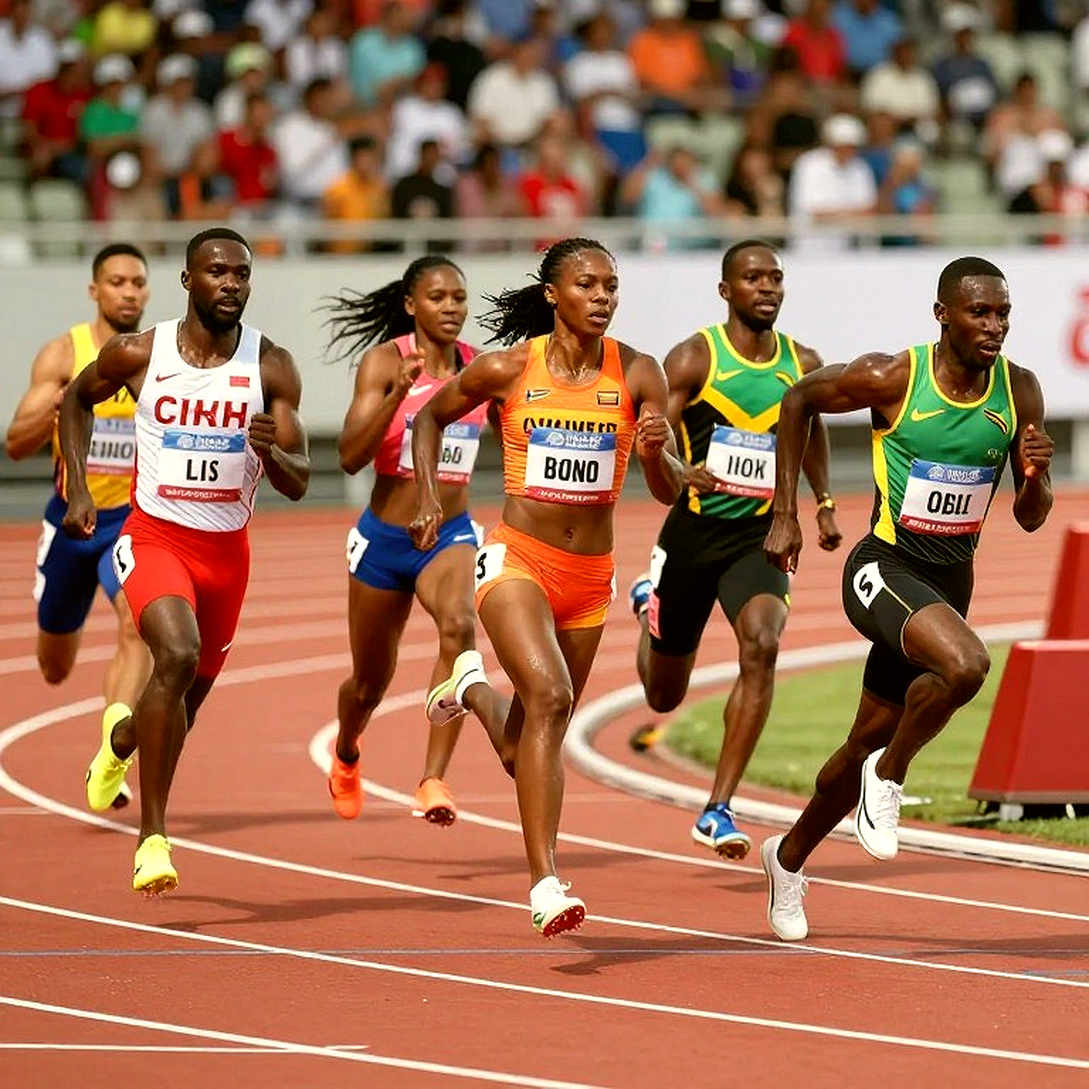
Before trusting the narration, check the load log.
The reallocated standings hand the podium almost entirely to China and Japan: Danzengquzong takes gold, Ma Li silver, Yukiko Umeno bronze. This is a podium that is provisional in effect, because the appeal is unresolved. In this kind of story I always separate two things: numbers that are skewed by recording error, and accounts that are skewed by intent. Neither has been verified here.
The shoe rule has become a real arbiter
In the carbon-plate era, the World Athletics approved list is no longer a formality. A model intended for high-level road competition must pass a submission process covering sole thickness, plate configuration and market availability. That mechanism exists to block precisely what the footwear industry does well: turning the laboratory into part of the performance. When the technical official said they had written to World Athletics to determine the shoe's validity, they admitted something important: the body issuing the final ruling is not the on-site jury, but the global governing body of athletics.
That is the fundamental difference from a doping annulment. In a doping case, the process runs through an anti-doping body, stored samples are reopened, and individual responsibility is usually clear. In an equipment case, the centre of gravity is not whether the athlete cheated, but whether the shoe is on the list. A technical question with a binary answer, requiring no proof of intent. Folding these two categories together is a classification error, not a viewpoint.
Based on my experience following matches and major championships, this is one of the rare occasions when a medal-level decision turns on a product file rather than a stopwatch. I once worked with a sports-medicine clinic in Beijing, where we built a load index for each athlete by multiplying average match intensity by the number of congested days. The principle holds here: when a variable is noisy, every conclusion downstream must wait until that variable is cleaned.
In this case the noisy variables come in pairs. First, the event name is unconfirmed. Second, the 3:22:20 mark has not been checked against the official results database. Without those two facts, any judgement about the standard of the race is speculation.
The counterintuitive angle
The common framing in the media — the gold was stripped over illegal shoes — sounds more final than reality. The result is provisional, and an appeal has been filed. A ruling without final effect is not yet a ruling.
The second notable point sits on the athlete's side. Her appeal suggests her team believes the shoe was compliant, or that the rule was misapplied. That posture is more consistent with a supplier-side error than with a knowing violation. If so, responsibility may sit on a completely different layer — the commercial contract between the national team, the athlete and the shoe brand. Commercial liability and competition liability are two separate ledgers, and only one of them is written into the technical officials' minutes.
I also force myself to look for counter-evidence before closing. The simplest and most uncomfortable possibility is that 3:22:20 is simply a data error from the original source. If so, the entire performance reading above must be suspended, and the story returns to its actual nature: a technical decision about equipment, plus an appeal that has not fallen either way. Recognising a model's limits does not weaken the model; it only bounds the conclusions.
The collision is only the familiar suspect; the real culprit lies in the forty matches before it. Here, the forty matches before it are the pre-race kit-vetting process.
What remains after the ruling
This case will be used in equipment-compliance training sessions, not because it is dramatic, but because it proves the approved-shoe list can decide a gold medal. For national federations, it creates a new and rather quiet demand: a pre-competition screening layer, where every athlete's every pair of shoes is checked against the official list before the plane takes off. For shoe brands, it turns the approval submission into a commercial asset rather than a paperwork formality.
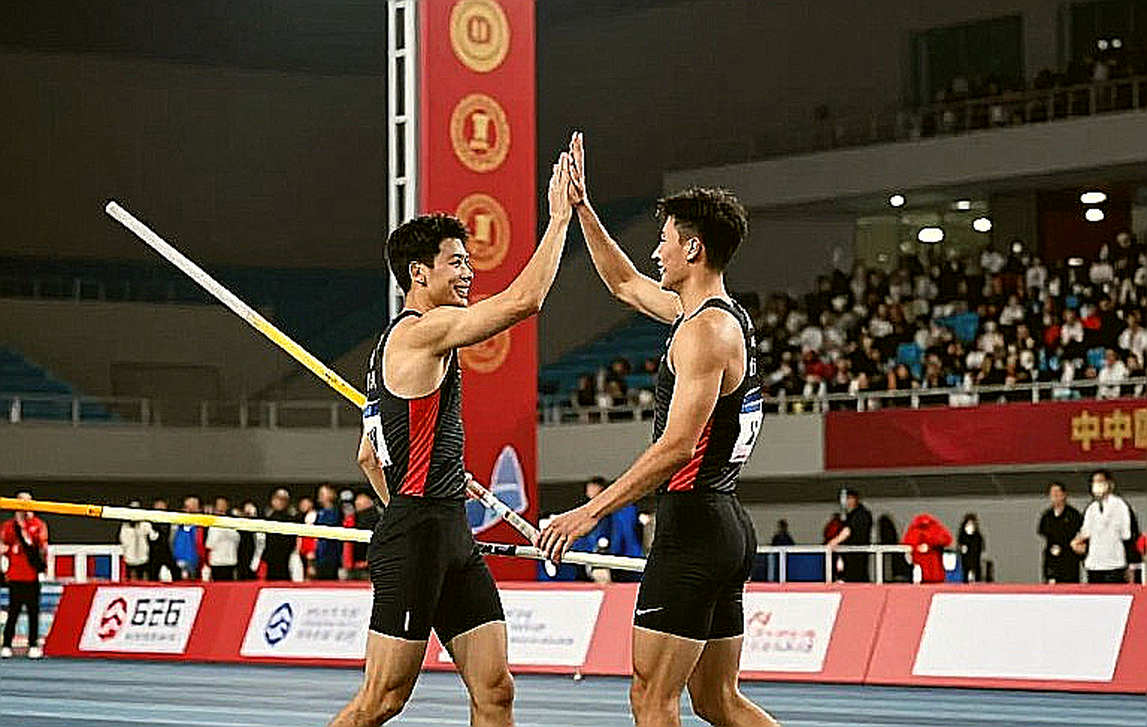
And for anyone reading results, it leaves a habit worth keeping: before asking who won, ask whether the result still stands. Every long roll is a misread injury report; I am there to translate it. There is no injury here, but there is a report misread in a different way: a medal stripped while someone is still demanding it back.