
BadmintonIndia's men sweep Japan 3-0, women fall 1-3: The depth question behind the medal at the 2026 Asian Games
Badminton
India's men sweep Japan 3-0, women fall 1-3: The depth question behind the medal at the 2026 Asian Games
Trả lời: Tại ASIAD 2026, cầu lông nam Ấn Độ thắng Nhật Bản 3-0 ở tứ kết, chắc chắn giành huy chương đồng đội; đội nữ thua 1-3 và dừng bước. Kết quả cần đối chiếu chính thức. Sự kiện chính: - Nam thắng nhờ Lakshya Sen (đơn 1), Ayush Shetty (đơn 2), Satwik-Chirag (đôi nam). - Nữ thua ba trận đơn (PV Sindhu, Unnati Hooda, Tanvi Sharma), thắng đôi nhờ Treesa Jolly-Gayatri Gopichand. - Đây là huy chương đồng đội nam ASIAD thứ hai liên tiếp của Ấn Độ theo báo cáo. - Bán kết nam: Ấn Độ gặp Trung Quốc tại nhà thi đấu Ichinomiya. Nguồn: Báo cáo Stage-2 Professional Analysis, chưa xác minh độc lập. Hỏi đáp liên quan: Hỏi: Vì sao đội nữ Ấn Độ thua? Đáp: Vì thua cả ba trận đơn, bộc lộ thiếu chiều sâu đơn nữ. Hỏi: Ấn Độ có vào chung kết nam không? Đáp: Cần thắng Trung Quốc ở bán kết. Hỏi: ASIAD 2026 diễn ra ở đâu? Đáp: Tại Aichi-Nagoya, Nhật Bản.
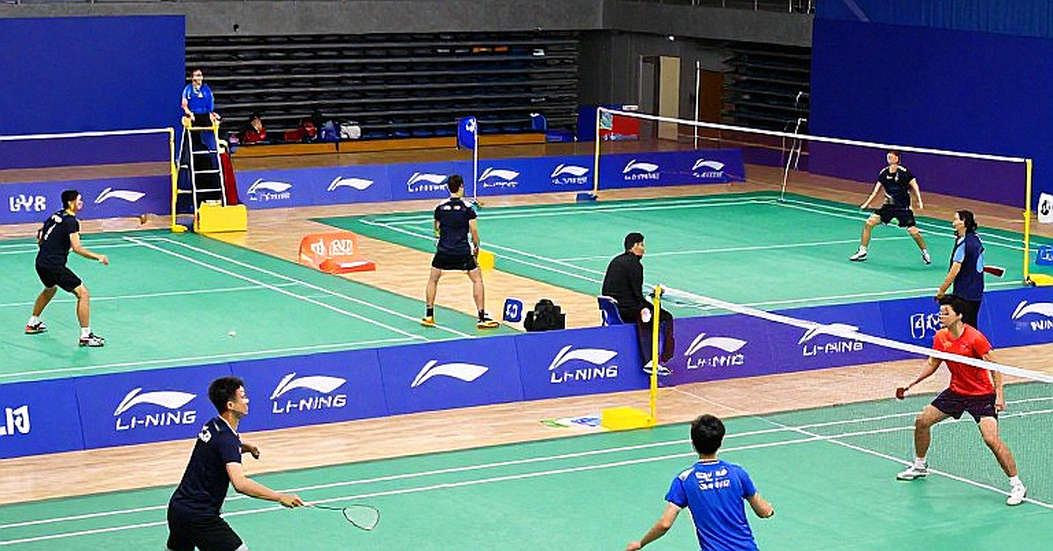
When Lakshya Sen put down his racket after the final shot, the men's team quarter-final of the 2026 Asian Games had ended 3-0 in India's favour. At the Ichinomiya City Municipal Gymnasium in Aichi-Nagoya, blue shirts flooded the stands. The victory was so quick that its full meaning took a moment to register: India had secured a second consecutive men's team medal at the Asian Games, a feat domestic media described as a "first in 40 years."
But on the same courts that afternoon, the Indian women's team left in silence after a 1-3 loss to Japan — the same opponent the men had just swept. One day, two outcomes, two kinds of depth. That is where the real story of Indian badminton begins.
The 2026 Asian Games, the 20th edition of the continental multi-sport event, are being held in Aichi-Nagoya, Japan. Badminton is staged at the Ichinomiya venue, bringing together nearly every major Asian power: China, Japan, Indonesia, South Korea, Malaysia and India. For India, the team events carry a special weight because they demand squad depth rather than individual brilliance.
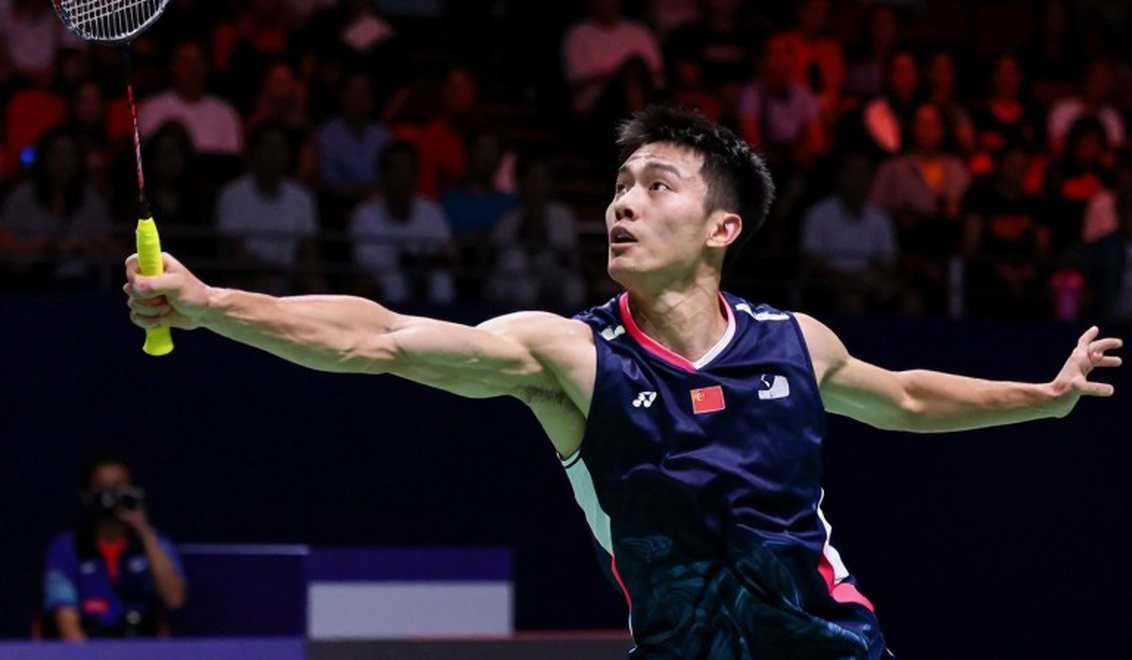
According to reports from the venue, the Indian men's team defeated Japan 3-0 in the quarter-final. Lakshya Sen won the opening singles, Ayush Shetty won the second singles, and Satwiksairaj Rankireddy with Chirag Shetty closed the tie in men's doubles. The scoreline reflected total control. The women's team, by contrast, lost 1-3. PV Sindhu, Unnati Hooda and Tanvi Sharma all lost their singles rubbers. The only point came from the women's doubles pair Treesa Jolly and Gayatri Gopichand.
The men's victory is not a shock; it is the product of a system built over a decade. Lakshya Sen at 25 has become a true anchor. Winning the opening singles in a team tie is about more than a point: it sets the psychological pace. India's decision to field young Ayush Shetty in the second singles shows trust in the bench. Satwik-Chirag remain the point bank, absorbing pressure and freeing the singles players.
The women's loss is a systemic signature, not a bad day. Three singles losses and one doubles win reveal the team's structure. For over a decade, Indian women's singles relied on PV Sindhu, an all-time great. Behind her, the gap is enormous. Unnati Hooda and Tanvi Sharma are talented but inexperienced at this level. Japan exploited the weakness with long, high-tempo rallies that drained the young Indian players in the latter stages of each match.
Here is the contrarian point. A 3-0 win does not fully prove depth: the last two rubbers were never played. The true depth of the Indian men's team remains untested at the limit. Meanwhile, the women's defeat is not a failure of will; it is a failure of long-term investment. Numbers do not lie, but the hands holding the pen do. When Indian media write that the women "fought hard," they conceal the absence of a real succession plan behind Sindhu.
I was once sent to the 2026 World Cup in Russia, and there I saw power lining up behind the cameras. Sponsors and broadcasters always prioritise the men's teams; women athletes wait in line. That structure repeats itself in Indian badminton today. The men win a medal and the whole delegation celebrates; the women lose and receive comforting phrases. The question of why Indian women's singles never received a proper pipeline is rarely asked.
When women's basketball froze during the pandemic, I learned that their burden has no insurance. When the Indian women's team left the court in silence, I saw a similar burden: no one protects them from systemic shallowness. The men's medal is real, but it should not hide the bigger question — why Indian women's badminton still has only one PV Sindhu.
People keep the medal column; I keep the depth column. The 2026 Asian Games have shown that Indian men's badminton has reached a new level. The same Games expose the vast gap on the other side. When Sindhu retires, who will hold the number-one spot in Indian women's singles? That question is not for the players on court; it is for the administrators and sponsors who believe that men's medals are enough.
The lesson from Ichinomiya is not about the colour of the medal. It is about how each federation answers the question: after the current generation, who is next? The Indian men's team answered with Ayush Shetty. The women's team is still searching for an answer. That answer cannot come from one training camp, one tournament, or one motivational speech. It comes from a long-term plan built years in advance, for the girls who carry rackets every day on courts without cameras.

Cầu thủ liên quan
Bài nổi bật
India men's 3-0 sweep at Asian Games 2026: the China wall in the semi-final2026-09-23
India Locks a Medal, Then Meets China: The Real Map of a Rising Badminton Nation2026-09-23
India Men Beat Japan 3-0, Women Lose 1-3: Squad Depth Makes the Difference2026-09-23
India's Three-Generation Men's Singles at the 2026 Asian Games and the 375-Place Gap2026-09-23
Asian Games 2026: India Beat Bangladesh 3-0 to Reach Men's Team Badminton Quarter-Finals — and the Nine-Minute Match That Cannot Exist2026-09-23
BWF World Junior Championships 2026: India faces the real test in Cairo2026-09-23
Bài đề xuất
21-4 and Three Generations: What India's Badminton Scoreline Doesn't Say2026-09-22
India at the 2026 Asian Games: A 36-Shot Rally and Four More Years Pushed Back2026-09-23
Asian Games 2026: India Women's Badminton Exit at the Quarter-Finals – Two Winnable Games Dropped and the Real Gap2026-09-23
India Beat Bangladesh 3-0 at Asian Games 2026: The Quarter-Final Ticket and What the Scoreline Doesn't Say2026-09-22
Asian Games 2026: India Falls to Japan in Women's Team Badminton Quarter-Final — Two Winnable Games Dropped at the Finish Line2026-09-23
World Junior Championships 2026: Tanvi Patri Leads India, New 3×55 Relay Format Takes Center Stage2026-09-23
Bài đề xuất
The Hidden Variable in India's 3-0 Win: What the Scoreboard Conceals Behind Tanvi Sharma's Moment2026-09-21
Asian Games 2026: India Beat Bangladesh 3-0 to Reach Men's Team Badminton Quarter-Finals — and the Nine-Minute Match That Cannot Exist2026-09-23
Asian Games 2026: India Women's Badminton Exit at the Quarter-Finals – Two Winnable Games Dropped and the Real Gap2026-09-23
Vietnamese Badminton and the Load Equation: The First Crack Is Not in the Losing Rally2026-09-15
BWF World Junior Championships 2026: India faces the real test in Cairo2026-09-23
India and the Single-Pair Bet: Analyzing the Badminton Squad for Asian Games 20262026-09-11
Bài đề xuất
Asian Games 2026: India's Physical Fracture and the Sindhu Gamble in Women's Badminton2026-09-23
Indian badminton at ASIAD 2026: The medal threshold between men's-women's symmetry2026-09-23
India's Badminton Squad for Asian Games 2026: Experience, Expectations, and Hidden Risks2026-09-12
Asian Games 2026: India Falls to Japan in Women's Team Badminton Quarter-Final — Two Winnable Games Dropped at the Finish Line2026-09-23
Asian Games 2026: India's Men's Badminton and a Draw Path That Leads to Host Japan2026-09-21
Empty Data: When Vietnamese Sports Analysis Faces a Room Without Light2026-09-08
Bài đề xuất
India's Badminton Squad for Asian Games 2026: Experience, Expectations, and Hidden Risks2026-09-12
From 23-21 to 6-21: India's Quarter-Final Exit and the Depth Paradox at Asian Games 20262026-09-23
World Junior Championships 2026: Tanvi Patri Leads India, New 3×55 Relay Format Takes Center Stage2026-09-23
Asian Games 2026: India Women's Badminton Exit at the Quarter-Finals – Two Winnable Games Dropped and the Real Gap2026-09-23
Satwik-Chirag Beat Astrup/Rasmussen at China Masters: What the Numbers Say About the Indian Pair's Resurgence2026-09-08
BWF World Junior Championships 2026: India, Two Unfamiliar Scoring Formats and the Test Without a Home Crowd2026-09-22